
 (844) 230-7676
 Language


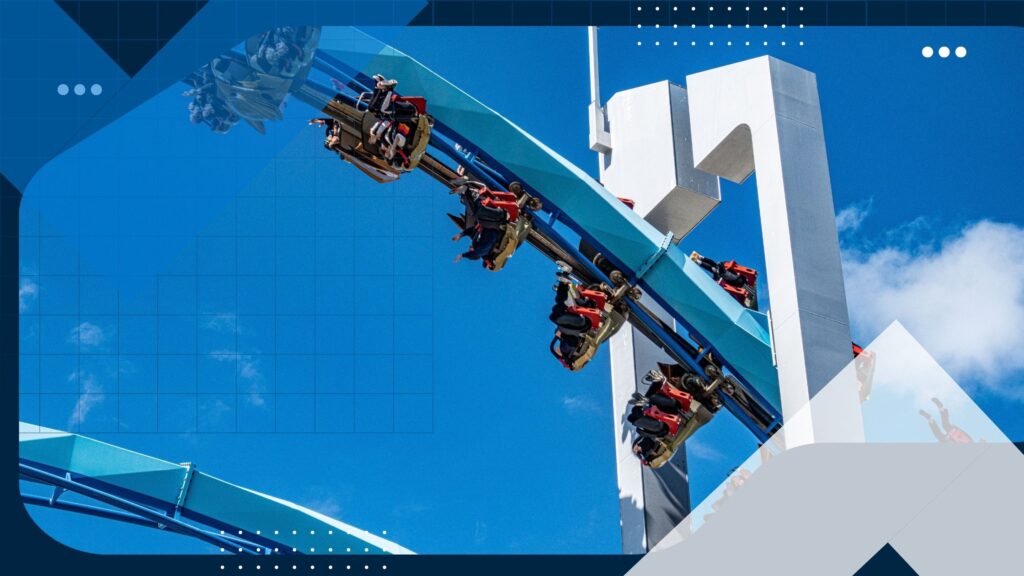
After the October 12 incident on the Goliath roller coaster at Six Flags Over Georgia, which killed one man and left four minors injured, many people have asked whether signing a waiver or accepting a park’s terms means they can never hold the park responsible. Georgia officials are still investigating, and no cause has been determined.
The incident, and many similar instances of roller coaster injuries in the past year, have raised questions about the common assumption that a signature on a waiver leaves no room to hold parks accountable.
What a Park Waiver Actually Is
Waivers reach guests in several forms. Some parks ask guests to sign a form at the gate, while others place a clause on the back of a ticket or in the terms accepted when buying a ticket or pass online. Many large operators publish terms asking guests to assume the risks of riding and to release the park from liability, and some also require arbitration of disputes. Those documents are where legal analysis begins. Courts generally read them strictly against the company that wrote them, and they look for language that is clear, prominent, and specific to the activity involved.
Even a well-drafted waiver has limits. In most states, including Georgia, a waiver covering ordinary negligence cannot shield a park from claims of gross negligence or reckless misconduct, which courts treat as a conscious disregard for safety. Many states also have amusement ride safety laws that set inspection, maintenance, and reporting requirements. A park’s duty to follow those rules does not depend on what a guest signed.
Children, Wrongful Death, and Third Parties
The rules shift when children are involved. Many states do not allow a parent to sign away a child’s own right to bring a claim, although some do, so the answer depends on where the injury happened. A similar question arises after a death. Some courts have declined to treat a waiver signed by the person who died as binding on family members who bring a wrongful death claim.
Waivers also protect only the parties they name. A claim against the company that designed or built a ride follows its own rules, which is why ride manufacturers have been defendants in some of the most significant cases in this area. In December 2024, a Florida jury returned a $310 million verdict against the maker of the Orlando FreeFall drop tower in the death of 14-year-old Tyre Sampson.
What to Do After a Ride Injury
Anyone injured at a park who is unsure how a waiver applies can take a few simple steps. Keep a copy of the ticket and a screenshot of the purchase terms, keep receipts and logs of all medical care, report the incident in writing to the park, and gather photos, video, and witness names. It also helps to speak with an attorney before giving a recorded statement or signing anything further, since filing deadlines vary by state and can be short.
What This Means for Injured Guests and Families
A waiver does not settle legal questions when injuries are sustained on roller coasters. Napoli Shkolnik’s personal injury attorneys represent individuals and families harmed by the negligence of large companies and institutions, and our team will keep following the Georgia investigation as more information becomes available.
To learn about our personal injury work, or to explore a possible claim, visit napolilaw.com or use our contact form to get in touch.