
 (844) 230-7676
 Language


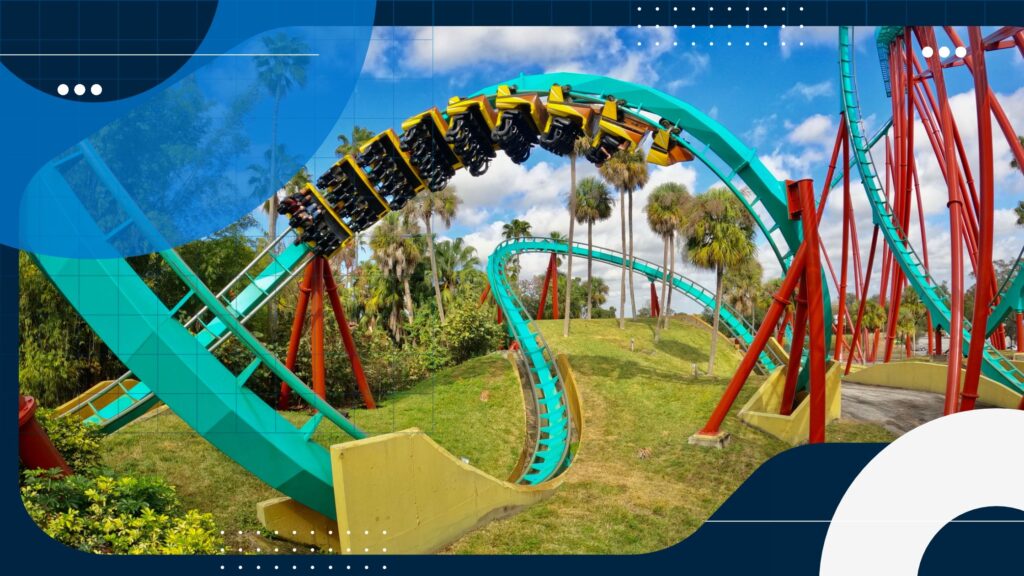
Six Flags Roller Coaster Accident Raises Questions About Ride Safety and Liability
Tragedy struck October 12, 2026 at a Six Flags amusement park in Atlanta, Georgia, when a guest aboard the Goliath rollercoaster was ejected from the ride, resulting in his death, and the injuries of several others. The victim, a beloved local teacher named Hassan Jihab Ibn Kariem, age 42, boarded the 200-foot-tall ‘hypercoaster” while enjoying a family day at the park. While authorities are conducting an investigation with the full compliance of Six Flags, it is still unclear exactly how Kariem was ejected from his seat. The investigation remains ongoing, with reports raising questions about restraints. With one family suffering immense loss from this tragedy, and many others grappling with the trauma of witnessing such an event, the need for accountability is clear. Amusement park accidents are nothing new, in addition to the recent announcement that Six Flags would be shutting down a famous ride over alleged injuries, at least six other fatalities can be attributed to amusement park rides since 2003.
Six Flags Roller Coaster Accidents and Safety Concerns
Kariem’s tragic passing came freshly on the heels of another safety scandal at Six Flags. The popular amusement park was already embroiled in litigation following multiple allegations of serious injury or death related to one of their rides. Three park guests that rode the California location’s X2 roller coaster reported traumatic brain injuries caused by the ride, which reaches 76 MPH and 360 degree turns.
One guest was rushed to a hospital immediately after dismounting the ride, and was taken to emergency brain surgery. Within a week of this incident, another guest suffered a similar injury, sustaining a massive brain bleed that has caused her to remain in a coma and vegetative state since. While these two cases remain open, Six Flags did recently settle in a wrongful death lawsuit regarding the death of another rider. Christopher Hawley passed away the day after riding X2, and the medical examiner concluded that blunt force head trauma was to blame. In September, the park decided to officially shut down the X2 ride after twenty years of operation.
What Safety Standards Apply to Amusement Park Rides?
While mobile amusement park rides are regulated by the Consumer Product Safety Commission, “fixed-site” rides at permanent parks are not. Instead, parks rely on a combination of state-run committees, third-party organizations, and in-house experts. On its website, Six Flags notes that safety is vetted by independent inspection firms, state ride inspectors (in applicable states), insurance experts, and Six Flags corporate engineers and safety professionals. Six Flags emphasizes the thoroughness of their safety standards, and further clarifies the important role that team members play: “Ride safety relies on many factors, including knowledgeable, well-trained team members. From ride operators to maintenance technicians, team members receive extensive training on attraction operations, safety protocols, emergency procedures and guest communication. Many positions require specialized certifications and ongoing skills development to ensure teams remain prepared and informed.”
This specification adds a layer of complexity to the question of accountability. Did the park fail to keep the ride safe, or did an employee make a mistake that put someone at risk?
Who Can Be Held Liable for a Roller Coaster Accident?
Liability is established when a party is held legally responsible for an incident. This is determined by several factors, including actions or inactions by the responsible party, and the scope of damages caused.
Determining legal accountability in Georgia, where the recent Six Flags tragedy occurred, is informed by a 1982 state supreme court ruling, Harlan v. Six Flags Over Georgia that distinguished amusement park attractions from public transportation networks. Theme parks are held to general premises liability standards that mandate reasonably safe conditions, without the strict liability imposed on common carriers, any person or company that transports people or goods for a fee. Distinguishing amusement park rides from buses, trains, and airplanes, fundamentally changes how legal claims against these parks are determined.
Under these guidelines, park operators must exercise ordinary care comparable to traditional grocery stores or shopping centers, rather than to that of public or commercial transit. Additionally, visitors assume the ordinary physical risks inherent to high-velocity and gravity-defying rides, including standard sensations like lightheadedness, sudden jarring, or momentary confusion. Still, parks face significant liability when injuries stem from avoidable equipment flaws or employee errors. A legal claim against a park must prove that management disregarded known hazards, neglected routine servicing, or violated safety protocols. Our Partner and General Counsel, Salvatore C. Badala affirms that “so many people can be at fault, you can have the amusement park, the operator, the manufacturer. That’s why it’s really important to hire a lawyer, to determine who’s really at fault for what happened.”
Of course, it can be determined that some burden of responsibility lies on guests. Guests must follow all park and ride rules, such as keeping arms and legs within carriages, meet height requirements, keep restraints tight, and secure loose items. In an instance in which a guest violated no such rules, the investigation inevitably will focus on the park itself and its staff.
In this regard, Mr. Badala also mentions that “previous settlements and verdicts illustrate how courts and juries often focus on whether amusement park operators and manufacturers properly enforced safety rules and protected guests from foreseeable risks. For example, in 2013, James Hackemer’s family reached a confidential seven-figure settlement with Darien Lake Theme Park after the Iraq War veteran and double amputee was killed when he was ejected from the Ride of Steel roller coaster. The family alleged that park employees failed to enforce the ride’s eligibility requirements, and state investigators cited operator error and inadequate training as contributing factors.
Likewise, New Jersey’s notorious Action Park became synonymous with amusement ride dangers. During its operation, at least six deaths were linked to park attractions, and the park’s history of serious injuries, litigation, and regulatory scrutiny ultimately contributed to its closure in 1996.
More recently, in 2022, fourteen-year-old Tyre Sampson was killed after falling from the Orlando FreeFall ride at ICON Park in Florida. Investigations found that the ride’s restraint system had been modified beyond its intended settings and that Sampson was allowed to ride despite weighing nearly 100 pounds over the attraction’s stated weight limit. In 2024, a Florida jury returned a $310 million wrongful-death verdict against the ride’s manufacturer, finding that the tragedy resulted from defective design and safety failures. The family had previously reached separate settlements with the ride’s owner and ICON Park.”
Injured at an Amusement Park? Know Your Legal Options.
Amusement park accidents can leave victims and families facing serious injuries, unexpected expenses, and difficult questions about accountability. If you or a loved one has been injured on an amusement park ride, Napoli Shkolnik can help you understand your legal options.
Contact Napoli Shkolnik for a Free Case Evaluation