
 (844) 230-7676
 Language


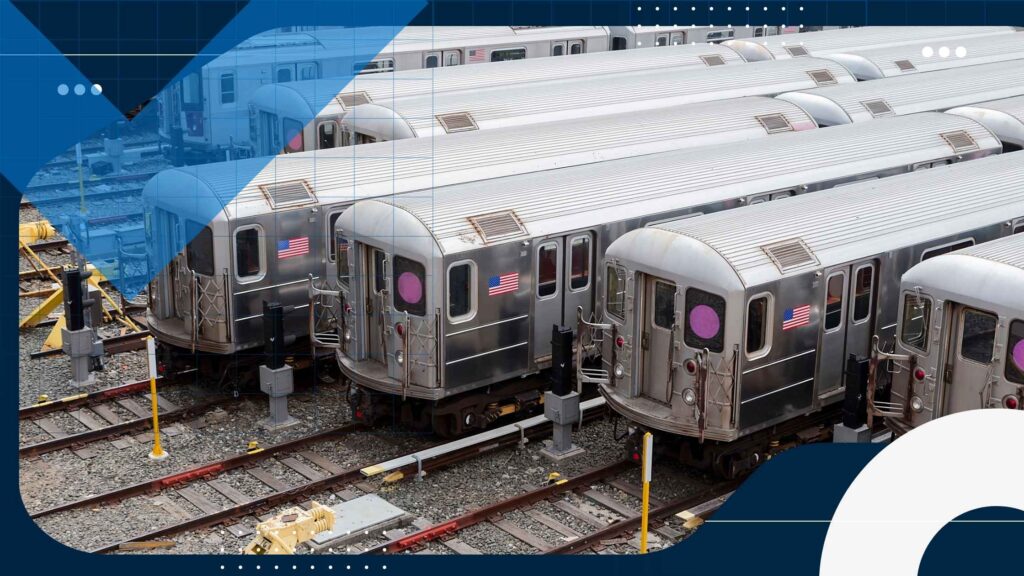
An explosion at the Metropolitan Transportation Authority’s (MTA) 207th Street Train Yard in Inwood, Manhattan, injured nine people on October 13, 2026, raising questions about transit facility safety, infrastructure maintenance, and the responsibilities of agencies and contractors to protect workers and others on their properties.
According to the New York City Fire Department (FDNY), the incident occurred at approximately 6:52 p.m. at the facility near West 211th and West 212th Streets. Nine people were transported to local hospitals with minor injuries. The cause of the explosion remains under investigation.
Although the full circumstances surrounding the incident have yet to be established, accidents involving equipment failures and hazardous conditions at transit facilities highlight the importance of routine maintenance, effective safety procedures and accountability when people are injured.
Understanding Potential Liability After a Transit Facility Accident
When an accident occurs at a transit facility, determining liability requires a careful examination of the circumstances leading up to the incident. Investigators may need to consider whether equipment was properly maintained, whether inspections were conducted, whether known hazards were addressed, and whether appropriate safety procedures were followed. Establishing liability requires evidence and an understanding of the parties responsible for maintaining and operating the facility.
Potential areas of investigation may include:
- Equipment and infrastructure maintenance: Whether pipes, mechanical systems and other infrastructure were routinely inspected, maintained, and repaired.
- Safety procedures: Whether appropriate protocols were in place to identify and address potential hazards before an incident occurred.
- Contractor oversight: Whether third-party contractors were involved in maintenance or repair work, and whether their activities were properly supervised.
- Hazard identification and communication: Whether potential risks were identified and communicated to employees, contractors or others who may have been exposed.
- Emergency response: Whether appropriate emergency procedures and safety measures were followed after the incident.
Workplace Injuries and the Importance of Safety Measures
Workplace safety remains an important concern across New York. According to the U.S. Bureau of Labor Statistics, private industry employers reported 122,400 nonfatal workplace injuries and illnesses in New York in 2024. State and local government employers reported an additional 58,500 cases.
While these figures cover a broad range of industries, they underscore the importance of effective workplace safety practices, routine inspections and hazard prevention.
Who May Have a Claim After a Transit-Related Injury?
The legal options available to someone injured at a transit facility can depend significantly on their relationship to the property and the circumstances of the incident. For example:
- An employee injured while performing work-related duties may have rights under New York workers’ compensation laws, as well as potential claims against third parties whose negligence contributed to the injury.
- Contractors and subcontractors may have different avenues for pursuing compensation, depending on their employment arrangements, the work being performed and the parties responsible for the conditions that led to the incident.
- Individuals who are not employees or contractors but are otherwise injured on transit property may also have potential premises liability or negligence claims, depending on the facts.
This list is not exhaustive. When a public transportation authority or government-related entity is involved, additional procedural requirements and filing deadlines may apply. Under New York General Municipal Law,certain claims against public corporations require a Notice of Claim within 90 days. The requirements and deadlines applicable to a particular transit authority and claim should be evaluated by an attorney.
Understanding Your Rights After a Serious Accident
The October 13 incident at the MTA’s 207th Street Train Yard is a reminder that accidents involving transit infrastructure can raise complex questions about workplace safety, maintenance responsibilities and legal accountability.
As the investigation continues, determining what caused the explosion and whether any safety failures contributed to the injuries will be essential to understanding the incident.
Individuals injured in transit-related accidents may benefit from speaking with an attorney about the circumstances of the incident, potential third-party liability and any deadlines that may apply.
Napoli Shkolnik represents individuals who have been injured due to the negligence of others. To learn more about your legal options, contact the firm.