
 (844) 230-7676
 Language

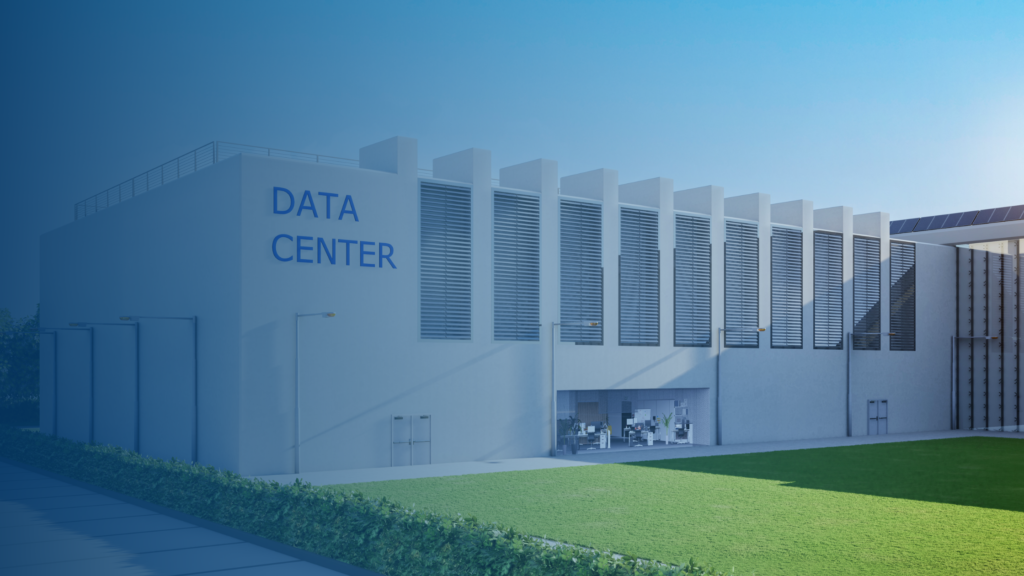
Data center moratoriums are temporary pauses on project approvals or construction, typically adopted while a city, county, or state evaluates zoning requirements, environmental effects, infrastructure capacity, or new regulatory standards. A data center ban goes further by prohibiting these facilities in some or all zoning districts. Both approaches can lead to litigation when developers argue that local officials exceeded their authority, violated procedural requirements, or interfered with previously acquired development rights.
As cities and counties nationwide restrict data center development, developers are fighting back in court. Here’s what’s driving the bans, the lawsuits challenging them, and what it means for developers, municipalities, and residents.
Across the country, a quiet infrastructure boom has turned into one of the more contentious local land-use fights in recent memory. As artificial intelligence and cloud computing demand explodes, developers are racing to build data centers, the sprawling, power-hungry facilities that keep the digital economy running. Communities, in turn, are racing just as fast to stop them, or at least slow them down.
The result is a rapidly growing body of litigation that sits at the intersection of zoning law, environmental review, and local governance. Nearly 190 local restrictions on data centers have been enacted since June 1 alone, and the pace is accelerating. More than 50 planned projects have already been scrapped this year after community pushback, and over 200 pending proposals are being contested at the local level nationwide.
For municipalities weighing whether to regulate or restrict these facilities, for developers with capital already committed, and for residents living next door to the next proposed site, understanding this legal landscape has never been more important.

Why Communities Are Pushing Back Against Data Center Development
The objections tend to center on a familiar set of concerns: strain on the local power grid and the risk of rising utility bills, the enormous volume of water many facilities consume for cooling, near-constant industrial noise, and pressure on roads, water systems, and other local infrastructure never designed for facilities of this scale.
Tennessee’s Tri-Cities region illustrates how quickly local governments have moved to respond. With large-scale projects already operating or planned across Tennessee, Virginia, and Kentucky, all within roughly 200 miles of the area, cities have adopted a patchwork of approaches. Bristol enacted a two-year moratorium. Kingsport now restricts data centers to heavy industrial zones and imposes a 500-foot residential buffer along with a 60-decibel noise cap. Jonesborough requires a 1,500-foot setback from residential structures. Washington County adopted a moratorium running through June 2027. Johnson City restricted the facilities to its I-2 Heavy Industrial zone, defining them broadly as buildings designed or used for the storage, processing, or transmission of digital information and supported by specialized cooling, electrical, and backup power systems.
Local officials describe this as a balancing act. Municipal attorneys have noted that cities are trying to regulate data centers without banning them outright, since local governments generally cannot prohibit an otherwise lawful business from operating, and that the technology itself is a moving target, requiring regulators to keep adjusting as new information emerges.
Residents, for their part, often frame the issue in more immediate terms: concerns about protecting local water quality, clean air, and agricultural land tend to outweigh any perceived economic upside of hosting a data center.
Nationally, the regulatory response has been just as varied. Georgia lawmakers have proposed blocking new construction through 2028. Maine’s legislature passed a moratorium on larger facilities through late 2027, though it was recently vetoed. South Carolina is considering barring local approvals until the state adopts a comprehensive oversight framework, and Pennsylvania lawmakers have proposed a three-year moratorium paired with mandatory impact studies. Similar measures have so far failed in Oklahoma, Minnesota, and New Hampshire.
Data Center Lawsuits Challenging Local Bans & Moratoriums
Where local governments have moved to restrict or block projects, developers have increasingly gone to court, and the litigation is playing out on several fronts.
Lawsuits Over Data Center Zoning Reversals. In New Jersey, Monroe Township now faces a $300 million lawsuit from a Princeton-based developer after the town amended its redevelopment plan following a contentious planning board meeting where neighbors warned that approved warehouses could later become an AI data center. Andover Township, New Jersey, faces a separate suit after a developer asked a state court to overturn its outright ban so it could proceed with a project on a former airport site. In Kentucky, an industrial developer has filed two lawsuits against Cave City after the city passed a one-year moratorium just days after the developer submitted plans for a 600-acre, 1.2-gigawatt campus, litigation that also challenges the city’s earlier annexation of the property.
Constitutional Challenges to Data Center Bans. In East Tennessee, a crypto-mining company sued Hawkins County after it banned crypto mining operations, a case regional observers are watching closely as a bellwether for similar disputes. In Texas, a developer has filed a $100 million suit against the state’s first county-level data center moratorium, arguing the county lacked legal authority to enact it and that it interfered with grid interconnection approvals already in motion. Other developers have raised due process and regulatory takings claims, and in Southern California, one developer brought a federal civil rights action alleging bad-faith obstruction by local officials.
Vested Development Rights in Data Center Litigation. Developers commonly argue that once they’ve secured approvals or sunk significant capital under existing rules, those rights can’t simply be revoked. A North Carolina developer challenged a 12-month moratorium after already investing more than $11 million following receipt of a zoning permit.

Can Cities and Counties Legally Ban Data Centers?
Beneath the headlines, most of this litigation turns on a narrower, more technical question: did the municipality actually follow the correct planning and zoning procedures when it enacted its ban or moratorium?
Communities challenging data center approvals, including several actions brought by environmental advocacy groups alleging that cities bypassed mandatory environmental review — argue that proper process was skipped in the rush to either approve or restrict these projects. Similar procedural challenges have surfaced in California, West Virginia, New York, South Carolina, Georgia, North Carolina, and Kentucky, targeting facilities ranging from roughly 147 to over 1,800 acres.
Procedural missteps have already proven decisive in at least one high-profile case. In Virginia, a court voided the rezoning of a data center development near historic Civil War battlefield land, finding that public notice requirements hadn’t been met. An appellate court affirmed that the rezonings were void from the outset, and the developer ultimately withdrew its final appeal and abandoned the project.
Historic and cultural preservation is emerging as its own procedural battleground. In North Carolina, residents and community organizations opposing a rezoning for a large data center complex argue that the county failed to assess the project’s impact on sites connected to Indigenous history and to a cemetery maintained by descendants of enslaved people. Tribal and environmental groups have also turned to federal historic preservation law to challenge energy infrastructure built to serve data center demand, including a recent Ninth Circuit case involving a sacred tribal site in Washington state.
Transparency has become its own procedural flashpoint. Disputes over public access to water and electricity usage data have produced open-records litigation in multiple states, with courts weighing developers’ trade-secret claims against public interest in disclosure, with mixed results depending on how well the withheld data was actually shown to be proprietary.
States with Moratoriums or Bans on Data Centers in the US
Which States Are Banning Data Centers?
US Data Center Moratorium Tracker — 2026
What Data Center Litigation Means for Developers, Municipalities and Residents
For developers, the message is clear: procedural precision matters as much as the merits of a project. Courts are increasingly willing to void approvals, or protect projects from later-enacted restrictions, based on whether the correct notice, review, and hearing procedures were followed. Securing vested rights early, and documenting reliance on existing approvals, is becoming a critical part of project planning, not an afterthought.
For municipalities, the lesson cuts the other way: moratoriums and zoning changes enacted hastily, or in direct response to a specific pending project, invite legal challenge and expose the town to significant liability, as the nine-figure suits in New Jersey and Texas make plain. Getting the process right, adequate notice, environmental review, and a documented rationale, is likely to matter more to a reviewing court than the underlying policy judgment about whether data centers belong in a given zone.
For residents, the fight is far from over. As more states weigh statewide moratoriums or oversight frameworks, and as courts continue to sort out where local authority ends and vested development rights begin, the outcome of these cases will shape not just where data centers can be built, but how much say a community actually has in that decision.
Litigation is emerging as the primary mechanism resolving these disputes on both sides, and given the pace at which new projects, and new restrictions, are being announced, this is likely just the opening chapter.
If your community, business, or project has been affected by a data center dispute, whether you’re a resident concerned about local impacts, a municipality navigating zoning and moratorium decisions, or a developer facing a legal challenge, our attorneys have experience across zoning, environmental, and land-use litigation and are closely tracking how these cases are developing nationwide.