About Exactech Implant Defects
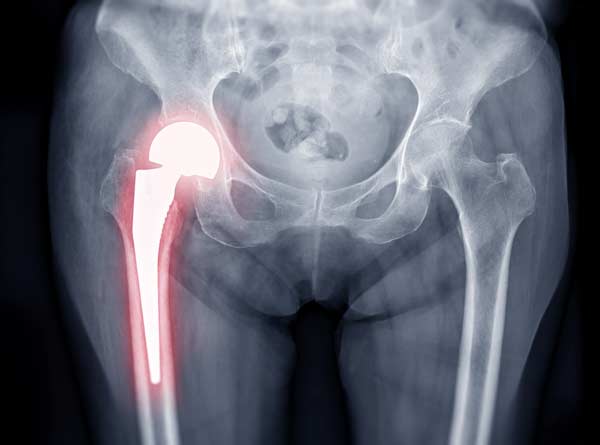
 Exactech tried to save money on product packaging. Air oxidizes (degrades) the polyethylene linings of Exactech’s implants. This lining, which is unique to these implants, is basically artificial cartilage. The manufacturer calls it a shock absorber. This shock absorption helps these devices last a lot longer than metal implants. So, the lining is more than cosmetic. If an insert fails, the joint replacement fails.
As early as August 2021, Exactech told some doctors that “some” of its implants were packaged in defective vacuum bags that “lacked an additional oxygen barrier layer.” As a result, when doctors placed these devices into their patients’ bodies, the devices were already dangerously defective.
Initially, it seemed like the company would do the right thing; the company voluntarily recalled its defective implants. However, simply issuing a recall is not enough. Instead, the company must take additional steps to protect patients. Usually, these steps include fully informing patients of the risk and setting up a recall and repair or replace system.
In February 2022, the company gave doctors a form letter to send to their patients. This letter contains mostly Medspeak that’s difficult to understand. The key warning, “Premature wear of the plastic insert of your knee replacement can lead to the need for additional surgery (also known as revision surgery),” is buried in the middle of the letter. Click here to read this letter for yourself and learn more about some recall specifics, including the affected non-conforming bags.
Additionally, Exactech made almost no effort to ensure that these letters reached patients. Instead, the doctors simply sent the letters to the addresses they had on record. Since many patients had these devices surgically implanted in the early 2000s, they had probably moved several times.
Defective Implant Injuries
Most patients thought that an Exactech implant would restore their lost mobility.
Without the protective padding, joint implants essentially fall apart, due to excess wear and tear. Polyethylene isn’t as toxic as some other kinds of plastic, mostly because it contains no BPD. However, it’s still toxic in some cases. Debris from the implant itself could cause similar blood poisoning issues.
As the device deteriorates, and as the surrounding tissue becomes inflamed and infected, the gadgets migrate out of their designated places. At first, the patient’s discomfort is not too bad.
Very quickly, the pain becomes debilitating, and most people lose whatever mobility they had gained and revision surgery becomes necessary.
A doctor must open the patient’s body and pull out the implant. Since this implant is now in pieces throughout the body, this surgery is long and difficult. Then, if the patient wants another artificial joint, the doctor must painstakingly replace it without further damaging surrounding tissue that’s already weak.


 Exactech tried to save money on product packaging. Air oxidizes (degrades) the polyethylene linings of Exactech’s implants. This lining, which is unique to these implants, is basically artificial cartilage. The manufacturer calls it a shock absorber. This shock absorption helps these devices last a lot longer than metal implants. So, the lining is more than cosmetic. If an insert fails, the joint replacement fails.






 (844) 230-7676
 Language
