
 (844) 230-7676
 Idioma


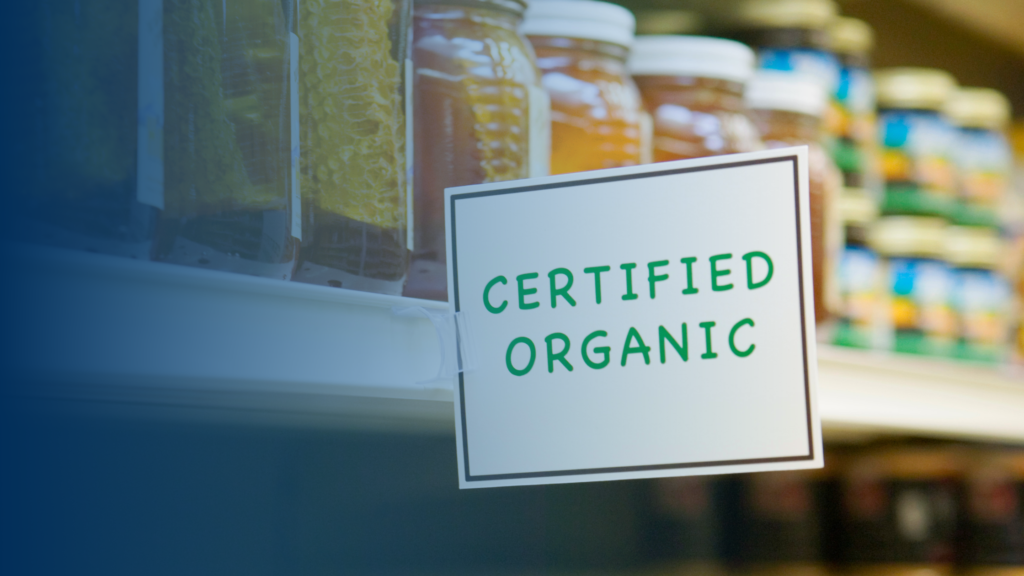
It is easier than ever to find food products to suit every need and dietary restriction, and almost any food item imaginable has spawned health conscious iterations. “Natural” food products and other health-focused options now fill grocery shelves, from protein popcorn to supergreen gummies. Many of these items boast health buzzwords, not the least of which is the all-too vague “natural” label. Peel back the label, however, and consumers may find that the benefits of their favorite healthy snacks are mostly smoke and mirrors. Known as the health halo effect, unregulated language on food labeling may be deceiving consumers.
What is the Health Halo Effect?
The health halo effect refers to the effect that certain front-of-package buzzwords have on consumers, prompting them to erroneously associate the product with greater health benefits than what they really offer. Terms such as “low fat”, “gluten free”, and “good source of fiber” are examples of such terms, leading consumers to believe that they are purchasing a healthier option. In fact, a comparative study conducted by Cornell University found that people associated products using such buzzwords with being healthier, even if the nutritional facts make it evident that they are not. For food manufacturers, the appeal of clean labeling is palpable— 58% of companies report increased revenue after shifting toward clean labels.
One of the most common labels you might see at your local grocery store, and least substantive at that, are the terms “natural” or “all natural”. Foods with “natural” labeling accounted for 16% of all consumer food spending in 2018, with a Consumer Reports survey finding that nearly half of all consumers seek out the “natural” label. The problem is that these labels do not paint a complete picture, and sometimes, do not mean much of anything at all.
En an experiment involving sugary fruit drinks marketed for children, the University of North Carolina at Chapel Hill found a significant increase in purchase intention in parents when the term “natural” was seen on labels. In fact, the study found that the use of this term prompted parents to incorrectly assume that the drinks in question contained no added sugar, which they most certainly did.
The Issue With Natural Product Labeling
Some labels, such as “organic”, are federally regulated. If a company selling to U.S markets wants to label a product as being organic, they must meet the requirements of the USDA. A perusal of the department’s regulation standards leaves no room for ambiguity, with every last word choice clearly defined and every boundary clearly drawn. “Natural”, on the other hand, is a
term that is mostly unregulated by the government. Companies do not need to adhere to strict standards and practices in order to use those words on their packaging. The result is a plethora of products that make big claims, without legally requiring substance to back them up. A British Food Journal study of U.S food products found no consistent or significant health advantages between items labeled as being “natural”, versus those that are not.
The Misuse of the “Natural” Label
The fact is, many so-called natural products are really no all that healthy. Due to the health halo effect, the term “natural” elicits associations with products that are minimally processed or organic. Being “natural” actually guarantees no such thing. The aforementioned Consumer Reports research furthermore investigated a number of popular packaged food and fruit product companies using natural labels. They found that many products contain ingredients that consumers would never think to associate with the term.
Cosmetic products are not exempt from this trend. Dr. Squatch, a popular body care brand, has recently agreed to a nine-million dollar settlement after they were sued for using synthetic ingredients in a product labeled as “natural”.
What Consumers Should Know
As more consumers become conscious of potentially deceptive labels, they may be at a loss as to what they should look out for when searching for healthy options. It is far more reliable to read ingredient lists, the Nutrition Facts, and to keep an eye out for independently verified certifications. Such include the USDA Organic y Non-GMO Project Verified labels, which respectively ensure that products meet federal standards for organic products, and certify non-use of genetically modified organisms. Looking beyond packaging into verifiable claims and use of highly specific terminology can help shoppers know what they are really putting into their bodies.
When companies use deceptive food labeling, consumers may find it difficult to trust whether or not their favorite products are providing accurate health information. The distrust is understandable, as the misuse of labels such as “natural” potentially lead consumers to make misinformed decisions about their health and what they choose to purchase. Consumers are, as a result, pushing back. The American Public Health Association notes 115 distinct cases of legal action taken against food manufacturers between 2005-2013, on the basis of misleading “natural” labels.