 (844) 230-7676
 Idioma


Nueva York Labor Law Attorneys
Estamos listos para hacer todo lo que esté a nuestro alcance para lograr RESULTADOS para usted.

Estamos listos para hacer todo lo que esté a nuestro alcance para lograr RESULTADOS para usted.

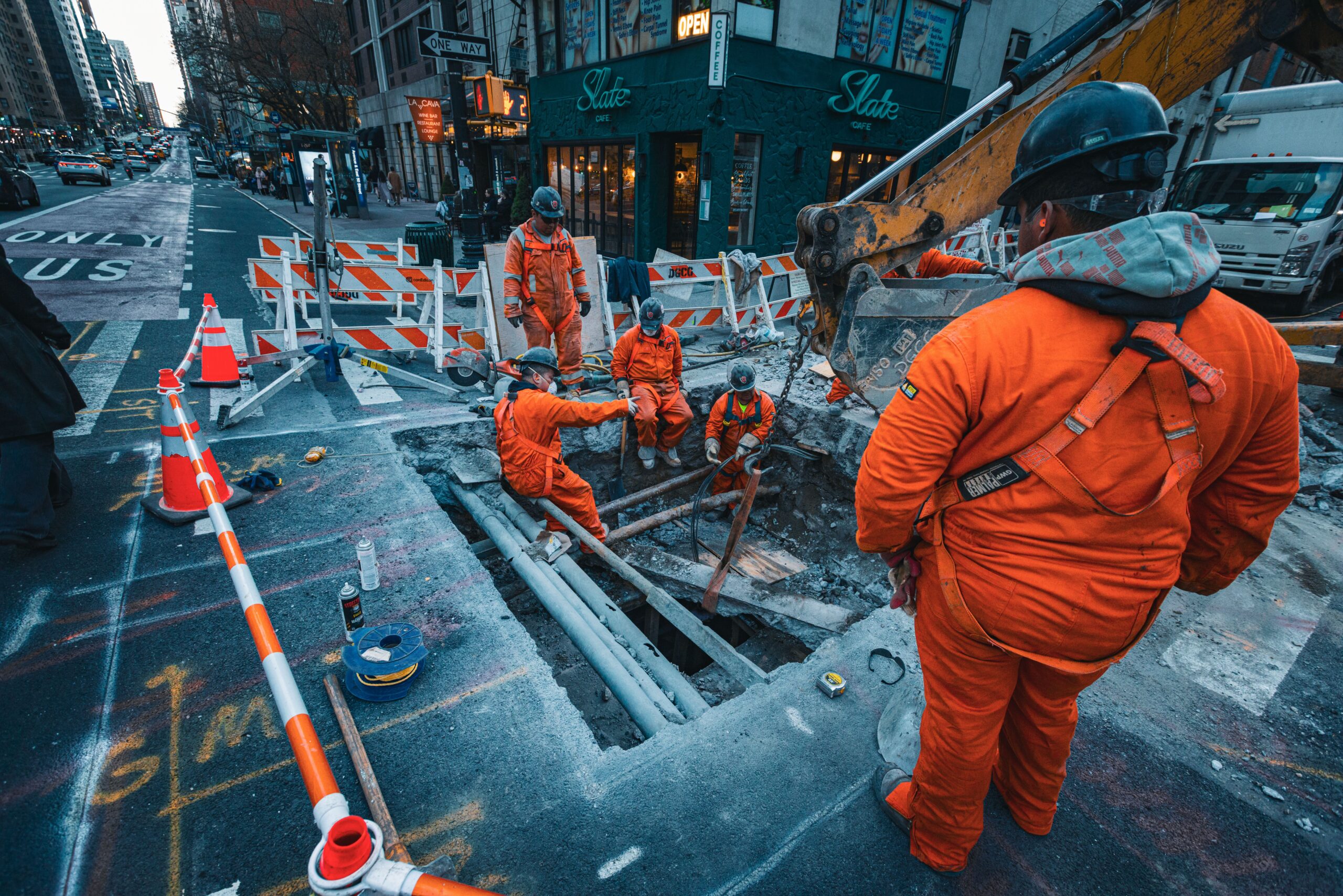
New York City has enacted two significant construction safety reforms in early 2026, to address both physical hazards and overall worker wellbeing.
Construction workers are now required to undergo safety training on mental health awareness and substance abuse prevention. The new law builds on an existing statute that requires workers on construction sites to obtain site safety training cards. Certain employers must provide employees with at least 40 hours of training to earn these mandatory cards.
Addressing Critical Industry Challenges
The construction industry faces unique mental health and substance abuse challenges. Workers often deal with demanding physical labor, irregular schedules, job site pressures, and periods of unemployment between projects which are all factors that can contribute to stress, anxiety, and addiction.
By requiring mental health and substance abuse training, the law aims to:
New Superintendent Limitations Take Effect
A complementary safety reform that took effect January 1, 2026, restricts construction superintendents to one primary job at a time to ensure proper oversight and site safety.
Previously, the New York City Department of Buildings allowed a person to serve as primary superintendent on up to three nonmajor building jobs or one major building job simultaneously. Superintendents can now hold only one primary position, regardless of project size.
Transition Provisions and Timeline
The Department of Buildings established transition provisions:
What These Changes Mean for the Industry
These two reforms represent a comprehensive approach to worker safety that addresses both physical hazards and mental health challenges. The expanded training provides valuable resources for managing work demands, while the superintendent limitations mean more focused oversight on each job site.
Construction companies must ensure training programs comply with the updated requirements and review superintendent assignments for compliance. Employers should consider supporting these initiatives through workplace policies, employee assistance programs, and a culture that prioritizes both physical and mental wellbeing.
Legal Support for Construction Workers
If you or a loved one has been injured on a construction site or believes your employer has failed to meet safety obligations, you may have legal options. Construction accidents can result in serious injuries, lost wages, and long-term disability. An experienced construction accident attorney can help you understand your rights and pursue compensation for medical expenses, lost income, pain and suffering, and other damages.


An explosion at the Metropolitan Transportation Authority’s (MTA) 207th Street Train Yard in Inwood, Manhattan, injured nine people on October 13, 2026, raising questions about transit facility safety, infrastructure maintenance,...
Leer el artículo
With the arrival of the fall season and progressively shorter days, pedestrians face an increased risk on the road. Reduced visibility, darkened commutes, and even increased driver fatigue...
Leer el artículo
Six Flags Roller Coaster Accident Raises Questions About Ride Safety and Liability Tragedy struck October 12, 2026 at a Six Flags amusement park in Atlanta, Georgia, when a...
Leer el artículo
Por favor Contáctenos para una cita en persona