rdt('track', '{{FormSubmission}}', { conversionId: '{{001}}' });
No obligation, no upfront cost.

logo

Speak With a Dupixent Lawsuit Attorney Today.

Have You Developed T-Cell Lymphoma After Using Dupixent®?

You may have a Dupixent Lymphoma Lawsuit Claim.

If you or a loved one has developed cutaneous T-cell Lymphoma (a rare form of non-Hodgkin’s lymphoma) after using Dupixent® (dupilumab) and experiencing CTCL symptoms resembling eczema, you may be entitled to compensation.

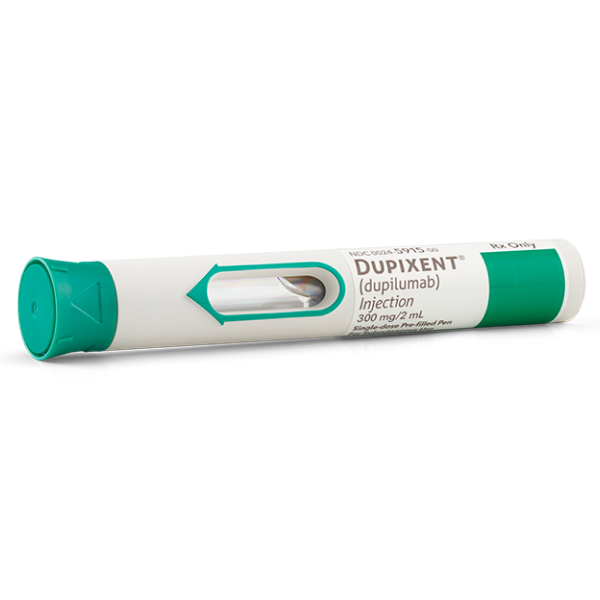
The drug commonly used to treat atopic dermatitis (eczema), asthma, and other conditions caused by type 2 inflammation, Dupixent® in particular, is currently the subject of several lawsuits alleging that its manufacturers, Sanofi and Regeneron Pharmaceuticals, Inc., failed to adequately warn consumers about this severe, potential side effect. Napoli Shkolnik is here to help you understand your rights and hold these manufacturers accountable.

Get a Free Dupixent Case Review

Start Your Free Case Evaluation

Fill out the simple form below.

Name(Required)
Have you or a loved one taken Dupixent (dupilumab)?(Required)
Were you or a loved one diagnosed with T-cell Lymphoma?(Required)
What condition were you taking Dupixent (dupilumab) for?(Required)
When were you diagnosed with T-cell Lymphoma?(Required)

What is Dupixent® and How Does it Work?

Dupixent®, or its better known by its generic name dupilumab, is prescription monoclonal antibody used to treat various moderate to severe inflammatory conditions such as atopic dermatitis (eczema), asthma, chronic rhinosinusitis with nasal polyps, eosinophilic esophagitis, prurigo nodularis, COPD, chronic spontaneous urticaria, bullous pemphigoid, and allergic fungal rhinosinusitis.

The drug works by blocking interleukin (IL) proteins (specifically IL-4, IL-13) and is prescribed to help lower inflammation. It is a steroid-free medicine given by subcutaneous (under the skin) injection.

What is CTCL and how is it linked to Dupixent®?

Cutaneous T-Cell Lymphoma (or CTCL) is a rare form of non-Hodgkin’s lymphoma that is often misdiagnosed. It occurs when white blood cells become cancerous and accumulate on the skin. Its symptoms often present themselves persistent rashes, patches, or lesions that resemble or can be mistaken for eczema or dermatitis, potentially delaying life-saving treatment.

For some patients, Increased Risk of Cutaneous T‐Cell Lymphoma Development  was seen after use of Dupixent®, was seen while for those unaware that they were showing symptoms worsened, raising serious concerns about delayed diagnosis and disease progression.
The connection raised in lawsuits:
  • CTCL is frequently misdiagnosed as eczema, leading to treatment with Dupixent®
  • Patients may continue using the drug while the cancer progresses undetected and may accelerate or worsen the progression of undiagnosed cases.
  • Allegations suggest Dupixent® may alter immune response or obscure symptoms
See If Your CTCL Diagnosis May Be Linked to Dupixent

Why File a Lawsuit Against Dupixent® Manufacturers?

Recent lawsuits claim that manufacturers, Sanofi and Regeneron Pharmaceuticals, Inc., failed to properly warn users about the serious risk of using Dupixent®. Individuals who have experienced worsening eczema leading to a CTCL diagnosis, may be eligible for compensation, covering:

  • Medical Expenses: Recover costs for ongoing treatments and healthcare needs.
  • Lost Wages: Receive compensation for missed work due to health complications.
  • Pain and Suffering: Seek damages for the physical and emotional impact of these side effects.

By filing a claim, you’re not only seeking compensation but also raising awareness of the risks associated with this medication.

For a free, no-risk consultation, contact us today. 

Get a Free CTCL Case Evaluation
Eczema rash
Paul Napoli speaking at National September 11 Memorial and Museum

We Hold Manufacturers Accountable

Pharmaceutical companies have a responsibility to ensure their medications are safe for consumers. When they fail to adequately test their products or warn users of potential risks, they must be held accountable. By taking legal action, you can:

  • Seek Compensation: Cover medical expenses, lost wages, and other damages related to your vision problems.
  • Raise Awareness: Help prevent others from suffering similar issues by bringing attention to the risks associated with Ozempic.
  • Promote Safer Practices: Encourage pharmaceutical companies to prioritize safety and transparency in their drug development processes.

Steps to File A Claim

If you have been diagnosed with CTCL after taking Dupixent (dupilumab), follow these steps to see if you qualify for a claim:

1.

Contact Us: Fill out the form above to schedule a free, no-obligation consultation.

2.

Provide Details: Share your experience with this prescription, including any medical records and documentation of your health issues.

3.

Legal Evaluation: Our experienced attorneys will evaluate your case and determine the best course of action.

4.

Pursue Justice: We will guide you through the legal process, fighting tirelessly to secure the compensation you deserve.

Request My Free Dupixent Case Review

Frequently Asked Questions (FAQs)

Yes. Dupimulab is the generic name for Dupixent.

Current claims allege a potential link between Dupixent use and CTCL, particularly involving delayed diagnosis or worsening symptoms. Its use may be linked to the development or progression of certain lymphomas, particularly Cutaneous T-Cell Lymphoma.
Key considerations:
  • Some patients were later diagnosed with lymphoma after using Dupixent
  • Symptoms of CTCL may resemble eczema, delaying accurate diagnosis
  • Claims argue the drug may mask or worsen underlying cancer

The early warning signs of CTCL are persistent rashes, skin thickening, discoloration, and lesions that do not respond to standard eczema treatment.

  • Older adults – 50+
  • More common in males than females
  • Black & Brown people (highest risk and more likely to get this cancer at an earlier age)
  • Certain viral diseases such as Epstein-Barr virus (EBV) and HTLV-1 virus infection increase the risk of CTCL
Many individuals initially experience:
  • Persistent rashes that resemble eczema
  • Severe itching that does not improve with treatment
  • Skin patches, plaques, or tumors that worsen over time
Because CTCL closely mimics common skin conditions, patients may be prescribed treatments that mask symptoms instead of addressing the underlying cancer. This can lead to months or years of delayed diagnosis, during which the disease may progress to more advanced stages.
The deadline to file a Dupixent lawsuit is governed by the statute of limitations, which varies by state, typically ranging from 1 to 3 years.
Timing may depend on:
  • When you were diagnosed with CTCL or lymphoma
  • When you discovered or reasonably should have discovered the connection to Dupixent
  • Whether exceptions, such as the “discovery rule,” apply
Because these timelines are strict and fact-specific, speaking with an attorney as soon as possible helps preserve your right to file.

You may have a potential claim if your experience follows a pattern seen in current lawsuits involving Dupixent and delayed diagnosis of Cutaneous T-Cell Lymphoma.


These factors may indicate a possible claim:
  • You were prescribed and received Dupixent (Dupilumab) injections between January 1, 2017 and present day.
  • You were later diagnosed with CTCL or another lymphoma, especially after ongoing skin symptoms did not improve
  • Your condition worsened or changed over time, rashes became plaques, tumors, or spread.
  • There was a delay in diagnosis, symptoms were treated as eczema for months or years
  • You required more aggressive treatment after diagnosis, such as radiation, chemotherapy, or systemic therapies

Award-Winning National Pharmaceutical Litigation Firm

Best Law Firms Regional Tier 1 Badge 2
Best Lawyers® "Best Law Firms" - Product Liability 2024
Best Law Firms National Tier 1 Badge 1
The nations Trial Lawyers award
NTL Med Mal 1

DEDICATED

CARING LEGAL TEAM

QUALIFIED

LEGAL KNOWLEDGE AND EXPERTISE

NO FEE

UNLESS YOU WIN YOUR CASE

Copyright © 2026 | All Rights Reserved | Privacy PolicyTerms of Use. Powered by Lemonade Stand.

Napoli Shkolnik is a registered trade name for NSPR Legal Services LLC, A Puerto Rican Limited Liability Corporation.

Attorney Advertising. The information on this website is for general information purposes only. Nothing on this site should be taken as legal advice for any individual case or situation. This information is not intended to create, and receipt or viewing does not constitute, an attorney-client relationship. Past outcomes mentioned on this site do not guarantee future results.