No obligation, no upfront cost.

If you or a loved one has developed cutaneous T-cell Lymphoma (a rare form of non-Hodgkin’s lymphoma) after using Dupixent® (dupilumab) and experiencing CTCL symptoms resembling eczema, you may be entitled to compensation.
The drug commonly used to treat atopic dermatitis (eczema), asthma, and other conditions caused by type 2 inflammation, Dupixent® in particular, is currently the subject of several lawsuits alleging that its manufacturers, Sanofi and Regeneron Pharmaceuticals, Inc., failed to adequately warn consumers about this severe, potential side effect. Napoli Shkolnik is here to help you understand your rights and hold these manufacturers accountable.
Fill out the simple form below.
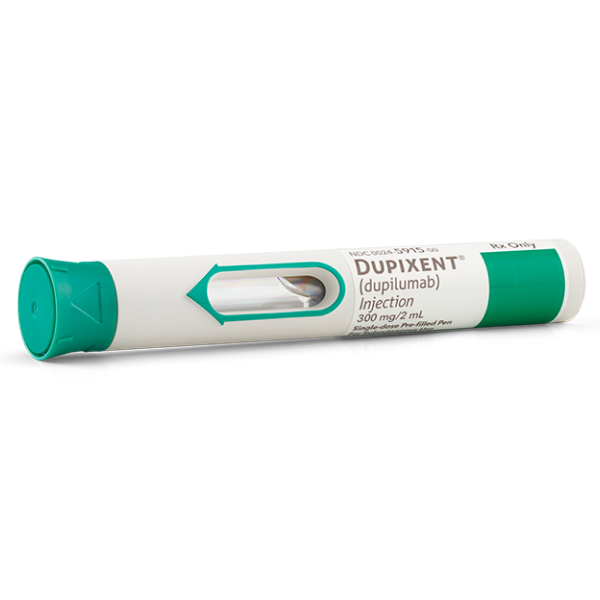
Dupixent®, or its better known by its generic name dupilumab, is a prescription monoclonal antibody used to treat various moderate to severe inflammatory conditions such as atopic dermatitis (eczema), asthma, chronic rhinosinusitis with nasal polyps, eosinophilic esophagitis, prurigo nodularis, COPD, chronic spontaneous urticaria, bullous pemphigoid, and allergic fungal rhinosinusitis.
The drug works by blocking interleukin (IL) proteins (specifically IL-4, IL-13) and is prescribed to help lower inflammation. It is a steroid-free medicine given by subcutaneous (under the skin) injection.
Cutaneous T-Cell Lymphoma (or CTCL) is a rare form of non-Hodgkin’s lymphoma that is often misdiagnosed. It occurs when white blood cells become cancerous and accumulate on the skin. Its symptoms often present themselves persistent rashes, patches, or lesions that resemble or can be mistaken for eczema or dermatitis, potentially delaying life-saving treatment.
Recent lawsuits claim that manufacturers, Sanofi and Regeneron Pharmaceuticals, Inc., failed to properly warn users about the serious risk of using Dupixent®. Individuals who have experienced worsening eczema leading to a CTCL diagnosis, may be eligible for compensation, covering:
By filing a claim, you’re not only seeking compensation but also raising awareness of the risks associated with this medication.

Pharmaceutical companies have a responsibility to ensure their medications are safe for consumers. When they fail to adequately test their products or warn users of potential risks, they must be held accountable. By taking legal action, you can:
If you have been diagnosed with CTCL after taking Dupixent (dupilumab), follow these steps to see if you qualify for a claim:
Contact Us: Fill out the form above to schedule a free, no-obligation consultation.
Provide Details: Share your experience with this prescription, including any medical records and documentation of your health issues.
Legal Evaluation: Our experienced attorneys will evaluate your case and determine the best course of action.
Pursue Justice: We will guide you through the legal process, fighting tirelessly to secure the compensation you deserve.
Yes. Dupimulab is the generic name for Dupixent.
The early warning signs of CTCL are persistent rashes, skin thickening, discoloration, and lesions that do not respond to standard eczema treatment.
You may have a potential claim if your experience follows a pattern seen in current lawsuits involving Dupixent and delayed diagnosis of Cutaneous T-Cell Lymphoma.





CARING LEGAL TEAM
LEGAL KNOWLEDGE AND EXPERTISE
UNLESS YOU WIN YOUR CASE
Copyright © 2026 | All Rights Reserved | Privacy Policy. Terms of Use. Powered by Lemonade Stand.
Napoli Shkolnik is a registered trade name for NSPR Legal Services LLC, A Puerto Rican Limited Liability Corporation.
Attorney Advertising. The information on this website is for general information purposes only. Nothing on this site should be taken as legal advice for any individual case or situation. This information is not intended to create, and receipt or viewing does not constitute, an attorney-client relationship. Past outcomes mentioned on this site do not guarantee future results.

 (844) 230-7676
 Language
