
 (844) 230-7676
 Idioma

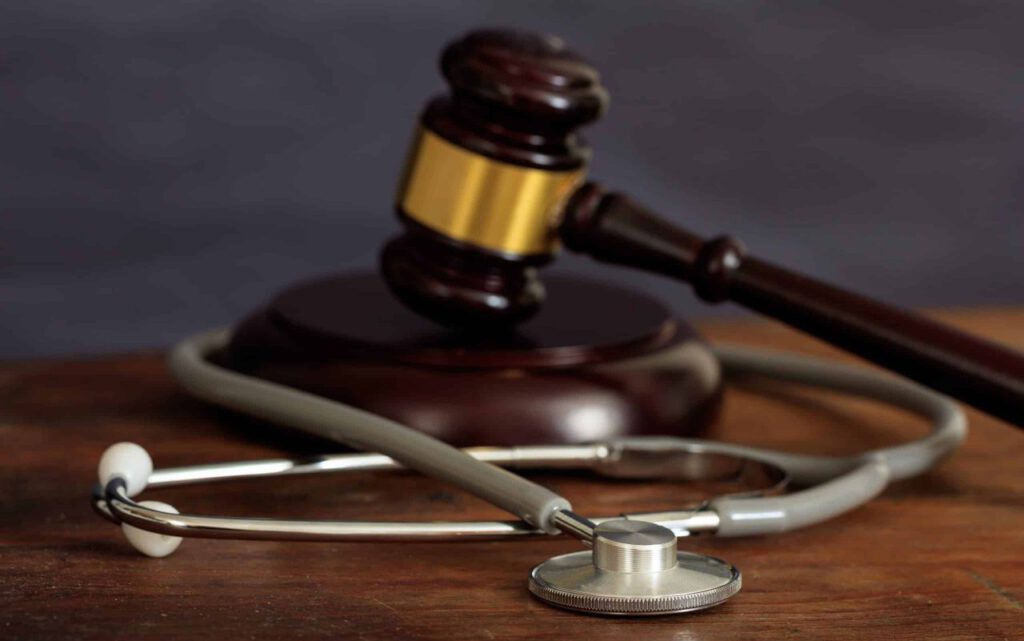
Medical professionals are trusted to provide safe, competent care, but mistakes can happen. When a healthcare provider’s negligence causes serious injury, illness, or death, patients and their families may have the right to pursue a negligencia médica afirmar.
Medical malpractice remains a significant patient safety issue in the United States. While estimates vary, research published by researchers at Johns Hopkins University estimated that medical errors may contribute to more than 250,000 deaths each year in the United States, though the estimate has been the subject of scientific debate highlighting the importance of accountability and patient advocacy.
If you or someone you love suffered harm because of a preventable medical error, understanding the most common types of medical malpractice claims can help you recognize when legal action may be appropriate.
What Is Medical Malpractice?
Medical malpractice occurs when a doctor, nurse, hospital, surgeon, or other healthcare provider fails to provide care that meets the accepted medical standard, resulting in injury to a patient. In a medical malpractice case, the estándar de cuidado is the level and type of care that a reasonably competent healthcare provider with similar training and experience would have provided under the same or similar circumstances.
It is not about whether the outcome was poor. Instead, it asks whether the healthcare provider acted in a way that other qualified medical professionals would consider appropriate.
To successfully pursue a medical malpractice lawsuit, plaintiffs generally must prove:
- A doctor-patient relationship existed.
- The healthcare provider breached the acceptable standard of care.
- That breach directly caused injury.
- The injury resulted in measurable damages.
Below, are the types of medical malpractice that can occur:
1. Misdiagnosis or Incorrect Diagnosis
Diagnóstico erróneo is consistently one of the leading causes of negligencia médica lawsuits. A physician may incorrectly diagnose a patient’s illness, mistake one condition for another, or fail to recognize symptoms that should have prompted additional testing.
Consequences may include:
- Delayed treatment;
- Unnecessary treatment;
- Disease progression;
- Permanent disability; and/or
- Wrongful death.
An example of this is when a patient visits the emergency room with chest pain. After limited testing, the physician diagnoses indigestion and discharges the patient. Two days later, the patient suffers a fatal heart attack that earlier intervention may have prevented.

2. Errores quirúrgicos
Surgical mistakes can occur before, during, or after an operation. While many surgeries are successful, preventable errors can cause devastating complications.
Common surgical errors include:
- Operating on the wrong body part;
- Wrong-site or wrong-patient surgery;
- Leaving surgical instruments inside the patient;
- Damaging nearby organs or nerves; and/or
- Preventable infections due to poor surgical technique.
An example of this is when a surgeon intends to remove a stomach tumor but mistakenly damages healthy intestinal tissue, resulting in additional surgeries and long-term complications. Another possible example is leaving medical instruments behind during a medical procedure.

3. Falta de tratamiento
Sometimes physicians correctly diagnose a condition but fail to provide proper treatment.
Examples include:
- Discharging patients too early;
- Failing to order necessary diagnostic tests;
- Not referring patients to specialists;
- Ignoring worsening symptoms;
- Failing to provide follow-up care; and/or
- Prescribing treatment without considering medical history.
An example of this is when a physician properly diagnoses a broken ankle but fails to explain weight-bearing restrictions or schedule follow-up care, causing the injury to worsen.

4. Lesiones de nacimiento
Pregnancy, labor, and delivery require careful monitoring. Medical negligence during childbirth can lead to lifelong injuries affecting both mother and baby.
Birth injury claims commonly involve:
- Failure to recognize fetal distress;
- Delayed emergency C-section;
- Improper use of forceps or vacuum extractors;
- Umbilical cord complications;
- Oxygen deprivation during delivery; and/or
- Mishandling a newborn.
These mistakes may result in conditions such as cerebral palsy, Erb’s Palsy, brachial plexus injuries, or permanent neurological damage.

5. Prescription Medication Errors
Medication errors can occur at several stages of patient care, from prescribing to administering medication.
Examples include:
- Prescribing the wrong medication;
- Incorrect dosage;
- Dangerous drug interactions;
- Ignoring known allergies; and/or
- Failure to review a patient’s medical history.
An example of this is when a physician prescribes penicillin despite documented allergies, causing a severe allergic reaction that requires emergency treatment.
6. Diagnóstico retrasado
A delayed diagnosis differs from a misdiagnosis because the correct diagnosis eventually occurs, but valuable treatment time has been lost. In cases like this, doctors fail to communicate a patient’s diagnosis in a timely manner.
Conditions frequently involved include:
- Cancer;
- Missing early warning signs or delaying biopsy results can reduce treatment options and survival rates;
- Ataque;
- Failure to recognize stroke symptoms may prevent patients from receiving time-sensitive clot-busting medications;
- infecciones;
- Untreated infections can rapidly progress to sepsis or organ failure; and/or
- Chronic Diseases.
Delayed diagnosis of diabetes, autoimmune disorders, or cardiovascular disease may result in avoidable complications. Patients harmed by delayed diagnosis may be entitled to compensation if an earlier diagnosis would likely have improved the outcome.
7. Errores de anestesia
Although anesthesia is generally safe, mistakes during administration or monitoring can have catastrophic consequences. Anesthesia-related errors are another significant category of Negligencia médica. Anesthesia is a crucial part of many medical procedures, and errors in administering anesthesia can have serious consequences for patients. Common anesthesia malpractice claims involve:
- Incorrect anesthesia dosage;
- Failure to monitor oxygen levels;
- Failure to review allergies or medical history;
- Delayed response to complications; and/or
- Improper airway management.
Potential consequences include:
- Brain injury;
- Heart damage;
- Organ failure;
- Permanent disability; and/or
- Muerte.
Since anesthesia affects critical body functions, even seemingly minor mistakes can produce life-changing injuries.

Signs You May Have a Medical Malpractice Claim
Not every poor medical outcome is malpractice. However, you should speak with an experienced attorney if:
- Your condition became significantly worse after a medical error.
- Another doctor tells you your injury could have been prevented.
- You received the wrong medication or treatment.
- A diagnosis was missed or significantly delayed.
- You required additional surgeries because of a preventable mistake.
- A loved one died unexpectedly after medical treatment.
What Compensation May Be Available?
Depending on the circumstances, victims of medical negligence may recover compensation for:
- Gastos médicos;
- Atención médica futura;
- Lost wages;
- Reduced earning capacity;
- Dolor y sufrimiento;
- Permanent disability;
- Emotional distress; and/or
Wrongful death damages for surviving family members.
Preguntas frecuentes
What is the most common medical malpractice claim?
Diagnóstico erróneo y falta de diagnóstico are among the most common medical malpractice claims because delayed or incorrect diagnoses can lead to serious injuries or death.
How do I know if I have a medical malpractice case?
If a healthcare provider failed to meet the accepted standard of care and that mistake directly caused your injury, you may have grounds for a demanda por negligencia medica. An attorney can evaluate your case with the help of qualified medical experts.
How long do I have to file a medical malpractice lawsuit?
The deadline depends on state law. New York has strict statutes of limitations for medical malpractice claims, making it important to speak with an attorney as soon as possible.
Can hospitals be held liable for medical malpractice?
Yes. Hospitals may be liable for negligent hiring, inadequate staffing, unsafe policies, or the actions of employees such as nurses, technicians, and hospital physicians under certain circumstances.
Why Choose Napoli Shkolnik?
Medical malpractice cases are among the most complex personal injury claims. They require extensive medical evidence, expert testimony, and a thorough understanding of both medicine and the law.
Napoli Shkolnik attorneys have experience representing individuals and families harmed by medical negligence. We work with leading medical experts to investigate what happened, identify responsible parties, and pursue the compensation our clients deserve.
Contact a Medical Malpractice Lawyer Today
If you or someone you love suffered serious injuries because of a medical error and have been directly affected by medical malpractice, you should not have to face the consequences alone.
The knowledgeable medical malpractice attorneys at Napoli Shkolnik can review your case, explain your legal rights, and help determine whether you may be entitled to compensation. Contact us today for a free, no-obligation consulta.