
 (844) 230-7676
 Idioma

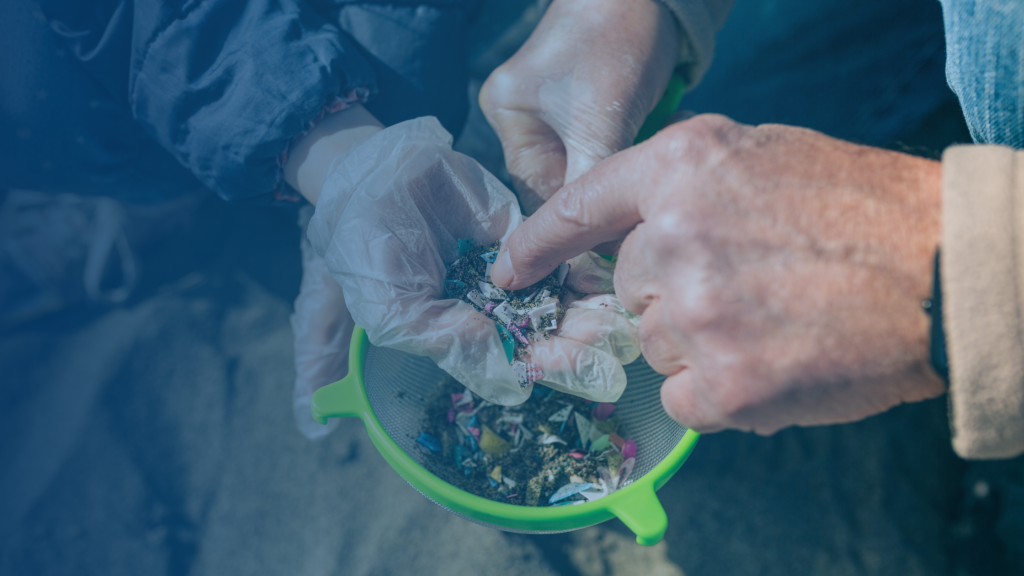
If you follow news about PFAS, microplastics, or other contaminants in tap water, you have probably seen two acronyms show up again and again: UCMR and CCL. They sound similar, and they are related, but they do different jobs inside the same federal system for protecting drinking water. Here is how they fit together.
The Contaminant Candidate List (CCL)
The Contaminant Candidate List is essentially a watch list. Under the Safe Drinking Water Act, the EPA is required to publish it every five years to identify contaminants that are known or anticipated to occur in public water systems but are not yet regulated. Being placed on the CCL does not create any rules or limits. It signals that the agency sees enough potential concern to prioritize research and data collection.
The EPA announced its draft Sixth Contaminant Candidate List (CCL 6) on April 2, 2026. The draft list covers 88 contaminants in total — 75 individual chemicals, nine microbes, and four chemical groups. For the first time, it adds microplastics and pharmaceuticals as priority groups, alongside PFAS and disinfection byproducts.
The Unregulated Contaminant Monitoring Rule (UCMR)
The UCMR is how the EPA gathers real-world data. Also on a five-year cycle, the rule requires public water systems to test for a set list of unregulated contaminants and report what they find. The results feed a national database that shows how often a contaminant appears and at what levels. Like the CCL, the UCMR itself sets no enforceable limit. It produces the occurrence data that the agency needs to make decisions.
The EPA proposed its Sixth Unregulated Contaminant Monitoring Rule (UCMR 6) in June 2026, with monitoring scheduled for 2028 through 2030. It covers 30 unregulated contaminants, including certain PFAS compounds. Notably, the draft did not include microplastics, even after seven state governors, fourteen state attorneys general, and over 60 organizations concerned with the impacts of microplastics called for the agency to add them. The EPA said there is no validated national test method for microplastics in drinking water yet, and that it would instead prioritize the research needed through the CCL.
How the two connect
The two tools are steps in the same pipeline. The CCL flags candidates worth watching. The UCMR then collects nationwide occurrence data on selected contaminants. That data feeds the EPA’s regulatory determinations, where the agency decides whether to develop an enforceable national standard, such as a maximum contaminant level. In short, the CCL flags the concern, the UCMR measures it, and regulation may follow.
Federal monitoring and rulemaking move slowly, and communities often carry cleanup costs long before a national standard exists. That gap is where our environmental litigation team works. Napoli Shkolnik helped lead the national PFAS drinking water litigation that produced landmark settlements with manufacturers, including a $12.5 billion agreement with 3M and a $1.185 billion agreement with DuPont, Chemours, and Corteva. Our firm continues to represent public water systems and municipalities recovering the cost of treating contaminated water.
On June 20, 2024, we joined Baltimore and co-counsel in filing a landmark lawsuit against PepsiCo, Coca-Cola, Frito-Lay, and plastic manufacturers over the plastic waste and microplastic pollution burdening the city, which estimates it spent roughly $70 million cleaning up plastic waste between 2018 and 2022. As the science and the regulatory picture continue to develop, our team will keep pressing to hold polluters accountable and help communities protect their water.
To learn about our environmental litigation work, visit environmentallawforum.org.