
 (844) 230-7676
 Sprache


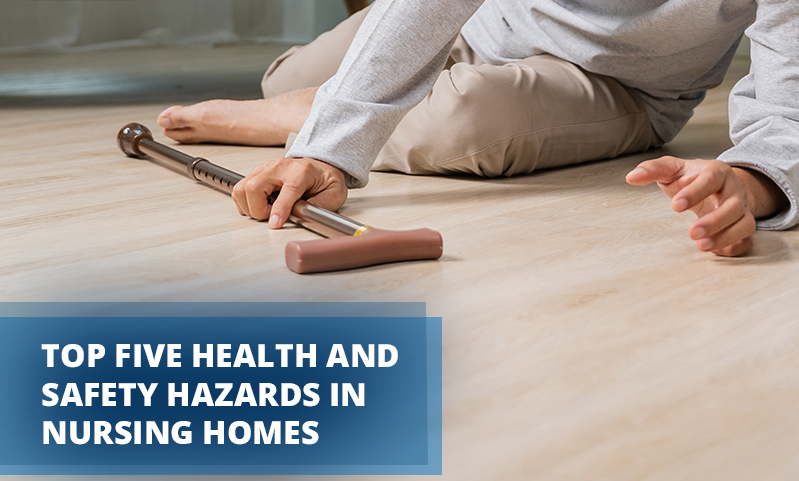
Falls are the most serious health and safety hazard in nursing homes. 67 percent of nursing home residents fall every year. Making matters worse, falls prompt 40 percent of nursing home admissions. In other words, most nursing home fall victims are repeat fallers. These incidents cause especially serious injuries.
The list of health and safety hazards at nursing homes doesn’t stop with falls. In fact, it begins with falls. Due to the elderly population explosion, many long-term care facilities don’t have the staff and/or facilities to keep up with increased demand. As a result, residents and their families suffer.
Stürze
Construction hazards are one of the most common fall hazards in nursing homes due to expansion work, maintenance, and repairs.
Many older adults have AMD (age-related macular degeneration). Quite simply, they don’t see well. As a result, they cannot see warning signs, especially in low-light conditions.
Uneven walkways, like badly cracked sidewalks, also cause many nursing home falls. Younger people easily avoid such hazards. But they cause falls among older people, if they have a gait disorder. People with such conditions shuffle their feet. So, when they trip, they cannot recover their balance, and they fall hard.
Physical fall injuries include broken bones and head injuries. Emotionally, many fall victims are so afraid of falling again that they become inactive. As a result, their muscles atrophy, making a subsequent fall more likely.
Because of these physical and emotional injuries, most repeat older adult fall victims may not ever live independently again.
Unterernährung
Most nursing homes serve plenty of nutritious food to their residents. However, their residents often don’t eat it.
We mentioned AMD above. Our other senses also degrade as we age, such as hunger, smell, and taste. Many older people don’t feel hungry. Furthermore, the food on a plate doesn’t smell or taste good. Therefore, they don’t eat it.
Malnutrition could be a standalone condition. It also weakens the body, making it more susceptible to bedsores and other infections.
Staff-on-Resident Abuse
Understaffing can be an issue at nursing homes. When people must do two or three jobs at once, they get frustrated. They often express this frustration in an inappropriate way.
Dekubitus
Understaffing is usually the root of pressure ulcer injuries. Bedsores could develop if subjects don’t turn over in bed at least once every two hours. Many nursing home residents are too weak and/or medicated to turn themselves over unassisted.
In understaffed environments, qualified professionals often don’t perform regular nightly rounds, especially on weekends and holidays. We say “qualified professionals” because patient care technicians usually cannot identify early-stage bedsores. They also don’t know how dangerous these pressure ulcers become.
Bedsores are open sores that have high infection rates and quickly become life threatening. Jurors often award substantial compensation in these matters, because these injuries are so easily preventable.
Resident-on-Resident Abuse
As mentioned, nursing home residents are physically and emotionally frail. Petty disputes over a preferred seat in a common area or another trivial matter quickly become violent. Also as mentioned, a little physical force causes serious injuries in this context.
Nursing home owners have a legal duty to ensure that the premises are reasonably safe and secure. This duty includes a responsibility to provide adequate security, such as an orderly stationed in common areas who breaks up fights. If a lack of care causes injury, substantial compensation is available.
Nursing homes can be hazardous places. For a free consultation with an experienced nursing home lawyer in New York, wenden Sie sich an Napoli Shkolnik.