
 (844) 230-7676
 语言
语言


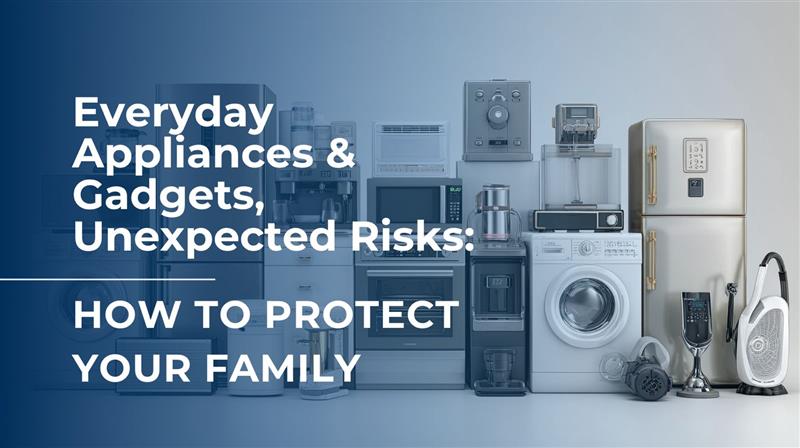
Hidden Dangers in Everyday Consumer Products
We rely on a wide range of consumer products—appliances, gadgets, and household tools—to make daily life easier. However, many people are unaware that some commonly used items may pose serious safety risks. Each year, dangerous or defective consumer products across multiple categories come to light through mass recalls, government safety alerts, and reports of severe injuries.
From smartphones and charging devices to kitchen appliances and household tools, many products found in American homes carry unexpected hazards that can lead to serious harm.
Lawsuit Highlights Risks of Defective Kitchen Appliances
In early January, Amazon and a Chinese manufacturer were named in a 人身伤害诉讼 filed by two New York residents. The plaintiffs allege they suffered severe burns after an Instant Pot–branded pressure cooker purchased through Amazon unexpectedly released hot soup, causing serious injuries.
According to the lawsuit, the pressure cooker should not have been able to open while under pressure. The device allegedly displayed a certification label claiming it required at least 100 pounds of force to open during operation. The plaintiffs further allege that the defendants were aware of similar consumer complaints but continued to manufacture and sell the product anyway.
Product Liability Claims Are More Common Than You Think
很遗憾, product liability lawsuits like this are not uncommon and can involve a wide range of household products. While manufacturers and distributors have a legal duty to design and sell safe products, consumers also play an important role in reducing unnecessary risks.
Taking proactive steps before and after purchasing consumer goods can help protect you and your family from serious injuries.
How Consumers Can Reduce the Risk of Defective Products
Avoid Impulse Purchases
Before buying a product, take time to research it thoroughly. Read customer reviews across multiple platforms, paying close attention to one-star reviews—especially those posted shortly after the product launched. Some items maintain deceptively high ratings despite a consistent pattern of safety complaints.
Check for Product Recalls and Safety Alerts
Once a product appears reputable, check for active recalls. While recalls are important, they are not foolproof. Some dangerous products remain on the market despite known risks.
这 U.S. Consumer Product Safety Commission (CPSC) publishes consumer alerts for products that may be hazardous even if an official recall has not been issued. Reviewing these alerts can provide an additional layer of protection.
Buy From Reputable Retailers and Manufacturers
Whenever possible, purchase products directly from a trusted manufacturer or well-known retailer. Even major platforms like Amazon and Walmart allow third-party sellers to list products, which can increase the risk of counterfeit, defective, or poorly regulated items.
Use and Maintain Products Safely
After receiving a new product, always read the instruction manual carefully. Make sure you understand how to properly set up, use, store, and dispose of the item and its components. Pay close attention to safety warnings, expiration dates, and whether the product contains lithium batteries, which require extra care due to fire and explosion risks.
If a product malfunctions, is recalled, or is past its expiration date, stop using it immediately. Continuing to use a defective or outdated product significantly increases the risk of injury.
What to Do If You Are Injured by a Defective Product
If you are injured by a consumer product, seek medical attention right away. Be sure your healthcare provider documents how the injury occurred and identifies the specific product involved. This documentation can be critical if you later pursue a legal claim.
Legal Help for Victims of Dangerous or Defective Products
If you or a loved one has been harmed by a dangerous or defective product, you may be entitled to compensation for medical bills, lost wages, pain and suffering, and other damages. Consulting with an experienced product injury attorney can help you understand your legal rights and determine the best course of action.