
 (844) 230-7676
 语言
语言


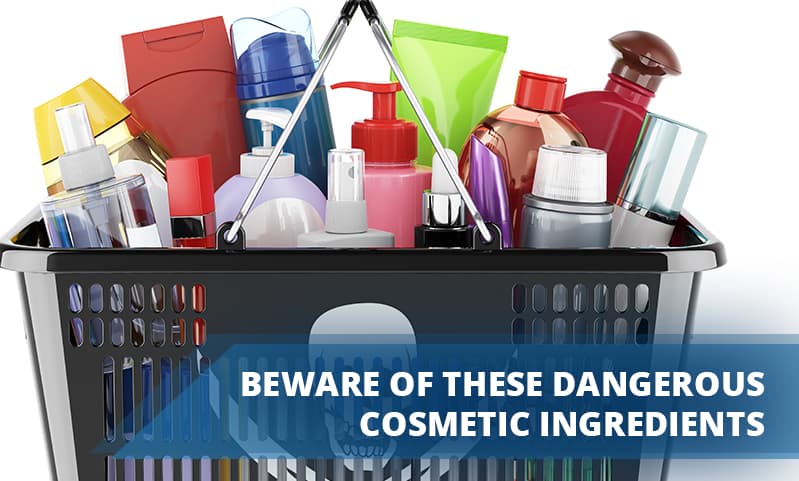
Many people are a making winter holiday plans. A third of holiday shoppers plan to buy fragrances and cosmetics for gifts, and many of these shoppers will probably pick something up for themselves as well.
Although consumers spend millions of dollars on cosmetics every year, this industry isn’t closely regulated. In fact, the primary federal safety law in this area hasn’t been significantly updated since 1938.
This issue has both social justice and safety angles. Companies heavily market many of the most dangerous cosmetics to minority communities.
在 那不勒斯什科尔尼克, we care about both angles. We work hard to obtain the compensation toxic exposure victims need and deserve. This compensation usually includes money for economic losses, such as medical bills, and noneconomic losses, such as pain and suffering.
Soap and 1,4-Dioxane
This solvent is used to make soap, shampoo, and similar foamy products. This solvent also makes your eyes burn when you get soap in your eyes. Unfortunately for consumers, eye irritation is only one side-effect on 1,4 dioxane.
A 1978 study linked 1,4 dioxane to kidney, liver, digestive tract, and central nervous system damage. In another survey, 1,4-dioxane levels were as high as 1410 parts per million in raw cosmetics ingredients, and as high as 279 ppm in finished products. For context, 1,4-dioxane levels above 85 ppm are dangerous to children. The FDA encourages manufacturers to remove 1,4-dioxane from their products, but there’s no federal legal requirement to do so.
Because of these risks, several states, including New York and California, have passed laws sharply limiting 1,4 dioxane levels in cosmetics. These regulations are sporadically enforced.
Nail Products and Acrylates
Nail salon workers often wear facemasks to protect themselves from acrylates. This protection is incomplete, as these particles also absorb directly through the skin.
In 1974, the Environmental Protection Agency banned methyl methacrylate, the most common acrylate at the time, because of its toxic qualities. Ethyl methacrylate, its replacement, isn’t much safer. Researchers have linked it to:
- Colon cancer,
- Reproductive and developmental issues,
- Lung disease, and
- Neurological issues.
To bypass these concerns, cosmetic companies often change the formula slightly and include dangerous ingredients in their products like acrylic acid ethyl ester, ethyl propenoate, ethyl methacrylate, ethyl ester, methacrylic acid, ethyl ester, ethyl 2-methyl-2-propenoate, methacrylate monomer, Methyl ester of methacrylic acid, and methyl-2-methyl-2-propenoate.
Eyeliner and Mascara and Carbon Black
Many companies use this chemical as a dark pigment in these products. This industrial-grade pigment is very hazardous.
California classifies airborne carbon black particles as a carcinogen. The International Agency for Research on Cancer assigns a similar classification to this substance. In various studies, carbon black caused lung cancer, skin cancer, and lymph node cancer. Researchers believe polycyclic aromatic hydrocarbons (PAH) particles in carbon black are the primary culprit.
Long-term use of carbon black-laced cosmetics could also cause pulmonary inflammation and fibrosis.
Workers who deal with carbon black in its raw, powdery form are even more susceptible to serious and catastrophic illnesses.
Fragrance
The possible hazards of this chemical ingredient are not fully known. Many companies simply state that colognes and perfumes, along with many other cosmetic products, contain “fragrance.” The company doesn’t disclose the chemical ingredients in this “fragrance.” Companies hide behind trade secrets laws to avoid specific disclosures.
An unknown “fragrance” chemical cocktail could include one or more dangerous chemicals, including:
- Acetaldehyde (reproductive and kidney issues),
- Butylated hydroxytoluene (BHT) (a skin irritant that could cause liver damage),
- Benzyl Benzoate (a stronger chemical that could cause chemical burns),
- Dichloromethane (methylene chloride) (a substance linked to breast cancer), and
- Formaldehyde (a known carcinogen).
These chemicals are especially hazardous to vulnerable populations, such as children, babies, and pregnant women. Most “fragrance” chemicals can be inhaled and almost anyone can open a bottle. So, everyone in the house is at risk.
Skin Lighteners and Hydroquinone
Hydroquinone is marketed most aggressively to women of color for its whitening ability in skin creams. The chemical is legal in personal care products in the United States in concentrations up to two percent. Hydroquinone is illegal in EU countries.
In addition to its use in skin lighteners, hydroquinone is a possible impurity of tocopheryl acetate (synthetic Vitamin E), which is very common in facial and skin cleansers, facial moisturizers, and hair conditioners.
This substance degrades skin pigments, making users more vulnerable to skin cancer. A tiny bit of hydroquinone in the eye could cause permanent vision loss. Hydroquinone fumes have also been linked to ear, nose, and throat infections.
Be sure your holiday cosmetics gift doesn’t include dangerous chemicals. For a free consultation, 联系 Napoli Shkolnik.我们在全国范围内处理这些事务。