
 (844) 230-7676
 Język
Język


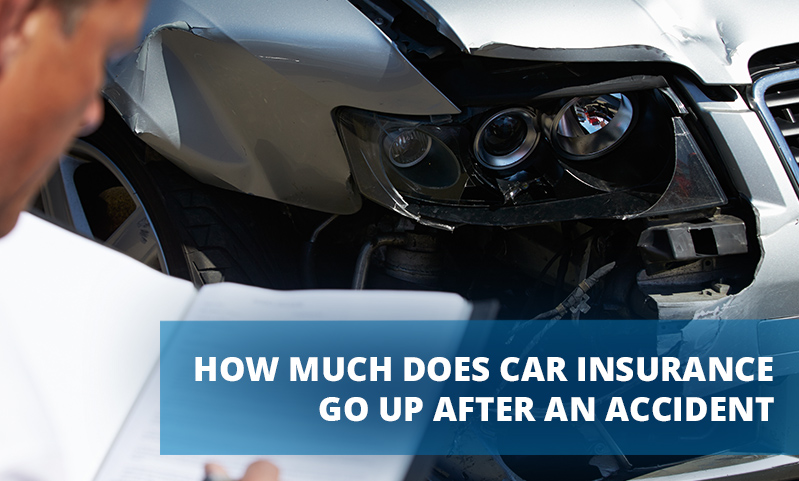
The answer varies significantly. Mostly depending on the factors discussed below, after an accident, car insurance could go up anywhere between 10 and 100 percent. The average increase is about $870 per year. Drivers are financially responsible for the increase. At-fault drivers aren’t financially responsible for any other accident-related costs, such as legal fees and settlement costs, at least in most cases.
This point is significant for injured passengers. Frequently, these victims don’t seek compensation for their injuries because, quite understandably, they don’t want to “blame” the driver, with whom they usually have a personal relationship, for an “accident.” But a legal action has no financial effect on a tortfeasor (negligent driver) other than higher rates.
Legal action ensures that victims receive fair compensation for their serious injuries. This compensation usually includes money for economic losses, such as medical bills, and noneconomic losses, such as pain and suffering. Furthermore, legal actions compel tortfeasors to accept responsibility for these mistakes.
Fault
This factor may be the most important one, when it comes to post-accident car insurance rate hikes. Not-at-fault drivers often see about a 10 percent rate increase. Many insurance companies assume both drivers were partially at fault for a wreck.
If Bill was drunk when he ran a red light and smashed into Ted, Bill was probably at fault for the wreck, even if Ted was speeding 5mph over the limit. However, Ted’s insurance company will almost certainly sue that slight excessive speed to justify a rate increase.
Fault is a final determination for insurance companies, but for a New York wypadek samochodowy lawyer, fault is a preliminary determination. Additional evidence, like electronic evidence, and/or legal theories, such as comparative fault, often change the final liability determination.
So, if law enforcement or insurance company investigators say you were at fault for a wreck, a lawyer should still evaluate your case. You don’t know how much compensation you may be entitled to until your claim is reviewed.
Severity
For an insurance adjuster, there’s a big difference between a fender-bender and a serious injury collision. Presumptive property damage-only claims often increase rates by around 23 percent. Serious injury collisions (someone received medical treatment at the scene) typically increase car insurance by 33 percent.
However, for a New York prawnik od obrażeń ciała, there’s usually no such thing as a non-injury accident. Whiplash, a common injury in low-speed crashes, is a good example.
This soft tissue injury, which X-Ray machines and other diagnostic tools don’t detect, is a cervical spine nerve injury. The violent motion of a wreck, even a parking lot fender-bender, damages these nerves. Whiplash could cause paralysis unless a doctor promptly and properly treats it.
So, as mentioned, always see a lawyer after a car accident, even if you don’t “feel” injured or an investigator determines you were at fault. On a related note, don’t wait to go to the doctor and never decline injury treatment at the scene. In these cases, insurance company lawyers typically argue that the victim’s injuries are exaggerated.
Driving Record
Drivers with poor driving records, especially if that record includes matters like DUI or reckless driving convictions, rates could increase dramatically.
When these drivers cause an accident, they can be in serious trouble. If the driver was at fault for the wreck, insurance rates could spike up to 50 percent. If the driver wasn’t at fault, rates may still go up 15 or 20 percent.
Policyholder Profile
Driver age and, in New York and many other states, the driver’s credit score almost invariably affects post-accident rate increases.
According to insurance companies, young drivers are higher-risk drivers than old drivers. If a young driver causes an accident, or even if a young driver is in an accident, the driver is at much higher financial risk.
Insurance companies can consider credit scores in the Empire State, on the theory that people with bad credit are more likely to file false claims. The company can use the same theory to justify a larger post-accident auto rate increase, especially if the poor-credit policyholder wasn’t at fault.
Many factors increase car insurance rates after an accident. For a free consultation with an experienced auto accident lawyer in New York, contact Napoli Shkolnik. There are no upfront legal fees and we only collect a fee when we win your case.