
 (844) 230-7676
 Language


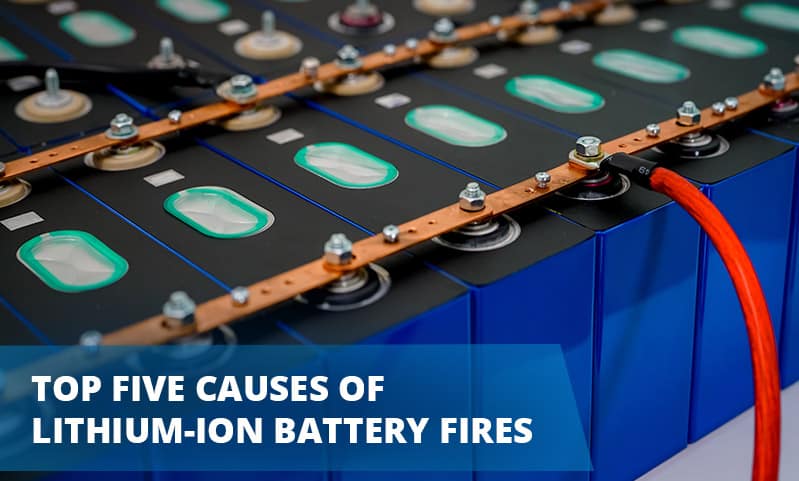
Since the 1990s, lithium-ion (LI) batteries have powered most electronic devices and, more recently, electric vehicles. LI batteries hold about four times the charge of acid batteries. Additionally, LI batteries are easier to recharge and safely dispose of. These batteries have their downsides as well: they’re much hotter than acid batteries. According to one official, since 2019, the number of LI battery fires in New York City has doubled every year.
LI battery fires are extremely hot and often cause serious injuries. Smoke inhalation injuries are usually even worse than burns. The combination of smoke and fire, along with the water used to extinguish these fires, often causes significant property damage. A personal injury attorney can obtain compensation for all these injuries and losses in court. A lawyer can also obtain compensation for the emotional distress and other noneconomic losses these physical injuries cause.
Cheap Battery Components
As the LI market expands, the supply goes up, and prices go down. As a result, many LI battery manufacturers cut corners wherever possible. That’s especially true in areas like a battery’s internal management system. This system keeps the LI battery’s temperature lower and keeps it from operating in the danger zone.
To make matters worse, cheap internal management systems usually don’t have sensors that are capable of detecting cell failure and preventing an explosion or fire.
This problem is further exacerbated by the fact that many of these batteries are produced in countries which don’t have strong consumer protection laws.
Unsafe Chargers
These issues could involve design or manufacturing defects. But the company that made the charger, not the company that made the battery, is legally responsible for these flaws.
Lack of proper insulation may be the most common battery charger problem. If the charger shorts out or generates excessive heat near the battery, the flaw can damage the LI battery and cause a catastrophic failure.
If these cases go to court, manufacturers often blame users for recharging LI batteries with unapproved chargers. However, warning labels often talk about “recommended” chargers. Furthermore, these labels don’t fully explain the prominent risk of a dangerous fire.
Improper Use
The same blame-shifting defense often comes up in an improper LI battery use claim. Most people assume that these devices are reasonably safe products that can tolerate a certain level of misuse. Many people even disassemble electric car battery packs and otherwise push the envelope. Legally, this defense usually doesn’t pass muster under the unforeseeable misuse doctrine. Taking apart a battery pack is like stepping on the top rung of a ladder. These activities, while dangerous, are foreseeable misuse. Therefore, manufacturers cannot bring these misuses up in court in an attempt to reduce or deny compensation.
Design Defects
To make their vehicles attractive, car companies design their cars and trucks as sleekly and slimly as possible. At the same time, customers demand maximum range and performance. These requirements press battery pack manufacturers to use compact designs that stuff high-capacity cells into smaller casings, drastically reducing their safety.
Compromising on the design often damages the electrodes or separator. Damage to either component could result in a short circuit. Furthermore, designers often cut back on safety features, once again for aesthetic appeal reasons. The absence of a proper cooling system or vent can cause battery temperatures to rise as the flammable electrolyte heats up.
If uncontrolled, it could result in a chain reaction of cell failures, causing the battery to heat up even more and spiral out of control.
If the unforeseeable misuse defense doesn’t apply, and it normally doesn’t, companies are strictly liable for the injuries their defective products cause. Product misuse is normally irrelevant.
Manufacturing Defects
The same strict liability rules apply to manufacturing defects. Production flaws can cause metallic particles (impurities) to seep into the LI battery’s cell during the manufacturing process. Battery manufacturers need to ensure stringently controlled cleanrooms for manufacturing batteries.
Another defect could be the thinning of separators which could prove detrimental in actual use. Cells should undergo strict quality-control tests and validation before being sold. The rush to make as much money as possible encourages companies to skip these important manufacturing steps.
Injury victims are entitled to substantial compensation. For a free consultation with an experienced personal injury attorney, contact Napoli Shkolnik. We handle defective product matters on a nationwide basis.