
 (844) 230-7676
 Language

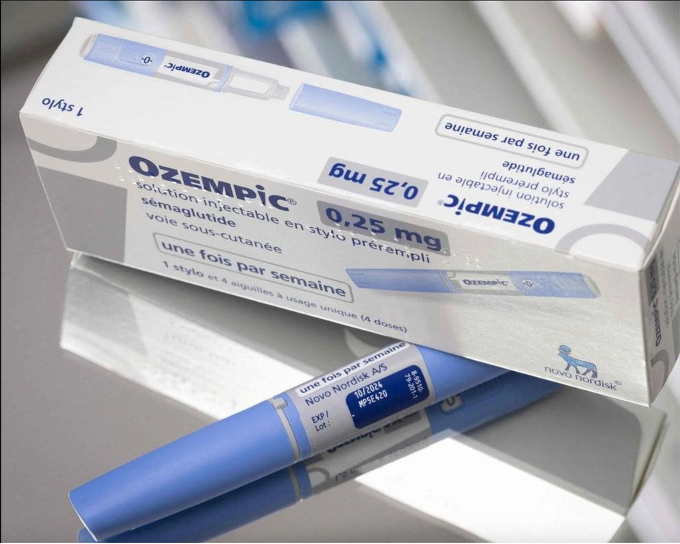
For many patients diagnosed with type 2 diabetes, Ozempic® (semaglutide) was seen as an effective breakthrough treatment for type 2 diabetes. When doctors prescribed semaglutide medications like Ozempic®, Wegovy®, or Rybelsus®, patients trusted they were receiving safe, effective treatment that would help them manage their diabetes. Instead, many have faced life-altering side effects such as non-arteritic anterior ischemic optic neuropathy (NAION).
Approved by the U.S. Food and Drug Administration (FDA) in 2017 for managing blood sugar, Ozempic and other semaglutide medications help prevent complications of diabetes by improving insulin release and lowering glucose levels (U.S. FDA, 2017). Over the last few years, however, Ozempic has become widely used—off-label—by non-diabetics seeking dramatic weight loss results, thanks in large part to social media hype, celebrity endorsements, and misperceptions about its long-term safety.
While some have hailed it as a “miracle injection,” others have endured significant physical and emotional harm. With serious side effects, including vision loss from NAION, many are now turning to legal options after suffering life-altering consequences.
What Is Ozempic (Semaglutide) and Why Was It Prescribed?
Ozempic is a glucagon-like peptide-1 receptor agonist (GLP-1 RA). It mimics a hormone in the body that regulates appetite and insulin secretion. It slows gastric emptying, increases satiety, and lowers post-prandial glucose spikes (American Diabetes Association, 2023).
Originally developed for individuals with type 2 diabetes, Ozempic helps reduce the risk of major cardiovascular events and can support some degree of weight loss as a side effect. But once studies began showing average body weight reductions in clinical trials, the cultural narrative shifted—and so did prescribing patterns.
Off-Label Use and Social Media Hype
Ozempic’s branding storm escalated when users began sharing stunning before-and-after photos on platforms like TikTok and Instagram. Celebrities were rumored—or confirmed—to have used the medication for rapid weight loss (CNN Health, 2023). Between 2021 and 2023, prescriptions for semaglutide-based medications increased by more than 300%, with a significant portion issued to non-diabetic patients (IQVIA Institute, 2024).
Even though Wegovy®—a higher-dose version of semaglutide—was approved in 2021 for weight loss in obese or overweight adults with at least one weight-related condition, many continued turning to Ozempic off-label due to availability and cost.
The Hidden Dangers of Ozempic
Vision Loss from NAION
Medical literature and court cases have also linked Ozempic to vision-threatening conditions like Non-Arteritic Anterior Ischemic Optic Neuropathy (NAION)—a type of sudden, painless blindness caused by reduced blood flow to the optic nerve. A study published in JAMA Ophthalmology (2024) found that individuals using semaglutide had a 4.28-fold increase in the risk of NAION compared to other diabetic medications (Moss et al., 2024).
Eye specialists have expressed alarm, emphasizing that this vision loss is permanent in many cases.
The Surge in Legal Action
Manufacturers like Novo Nordisk now face multiple legal actions that allege the company failed to warn about the severity and risk profile of Ozempic-associated complications.
Steps to Take if You’ve Been Harmed
- Seek medical attention for persistent symptoms such as vision changes that have led to a NAION diagnosis.
- Document everything—medical records, expenses, and communications with doctors.
- Consider legal help as soon as possible. Statutes of limitation may apply depending on the state.
Why Choose Napoli Shkolnik?
Napoli Shkolnik is actively evaluating Ozempic claims. With nationwide reach and experience in pharmaceutical litigation, our team offers clients both the compassion and firepower they need when fighting against Big Pharma.
If you or a loved one suffered from NAION after using Ozempic or other semaglutide drugs, Napoli Shkolnik may be able to help.
References
- American Diabetes Association. (2023). Standards of Medical Care in Diabetes 2023. Diabetes Care, 46(Supplement_1).
- Basyal, B., Jariwala, S., Shrestha, P., Busa, G., Sel, K., & Doshi, S. (2023). Semaglutide-Induced Gastroparesis: A Case Report. Cureus, 15(1).
- CNN Health. (2023). Surge in off-label Ozempic use leads to shortages and safety warnings. CNN.
- IQVIA Institute. (2024). Trends in Use of GLP-1 Medications. IQVIA Institute for Human Data Science.
- JPML. (2025). MDL 3094 Status Update. Judicial Panel on Multidistrict Litigation.
- Mayo Clinic. (n.d.). Gastroparesis. Mayo Clinic. Retrieved from https://www.mayoclinic.org/diseases-conditions/gastroparesis
- Moss, H. E., Joslin, C. E., Kapoor, S., & Woodward, M. A. (2024). Non-arteritic anterior ischemic optic neuropathy and semaglutide use. JAMA Ophthalmology, 142(8), 732-738.
- U.S. Food and Drug Administration. (2017). Drug Approval Package: Ozempic. FDA.