
 (844) 230-7676
 言語
言語


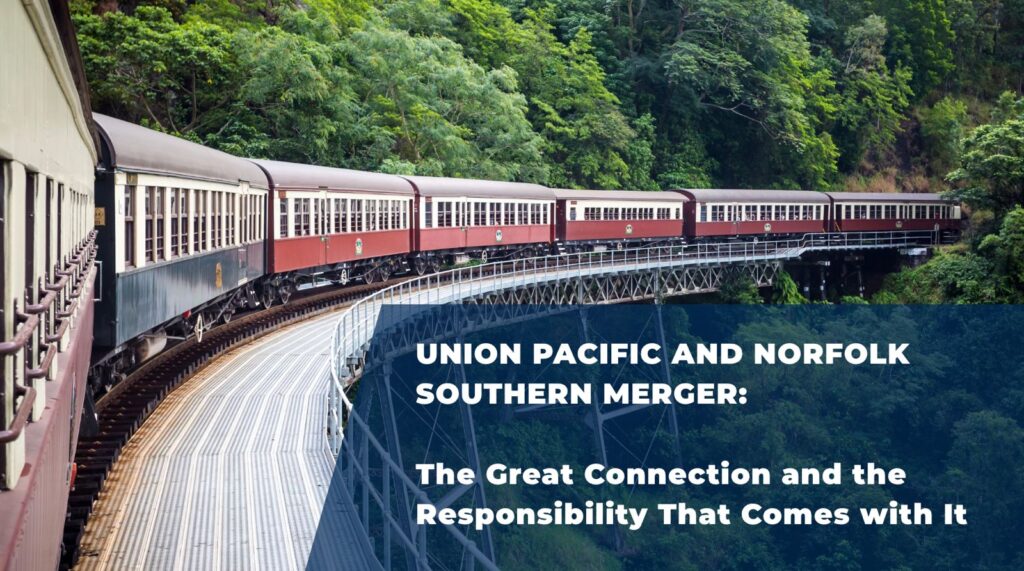
A proposed 85-billion-dollar merger between Union Pacific and Norfolk Southern is now under regulatory review. The companies say the deal would create America’s first truly coast-to-coast rail network by linking complementary East-West systems. Supporters argue the merger would improve efficiency, reduce congestion, and strengthen the national supply chain.
Those goals deserve serious consideration. So do the risks. As regulators examine this proposal, competition and oversight must remain priorities. Worker safety must be treated with equal importance.
Why Railroad Workers Should Pay Attention
As a trial lawyer who represents railroad workers and their families under the Federal Employers’ Liability Act (FELA), I have seen what happens when scale and cost pressure begin to outweigh safety. Larger railroads carry greater responsibility. When that responsibility is not met, the consequences fall on workers and their families.
There is no dispute that railroads are essential to American commerce. A unified coast-to- coast network could reshape freight transportation in meaningful ways. At the same time, consolidation concentrates power and reduces competitive pressure. Without strong safeguards, it can weaken the incentives that drive investments in safety.
The Safety Questions a Merger Raises
When two massive railroad companies merge, several critical safety concerns emerge:
- Corporate Culture and Accountability: Will the combined entity maintain robust safety protocols, or will cost-cutting measures in the name of “efficiency” put workers at greater risk? When companies focus on integration and cost synergies, worker safety programs can fall through the cracks.
- Standardization of Safety Practices: Union Pacific and Norfolk Southern have different safety cultures, training programs, and equipment standards. Which company’s practices will prevail? Will the merger adopt the highest safety standards from both companies, or will corners be cut?
- Worker Training During Transition: Mergers create confusion and communication gaps. Will workers receive adequate training on new procedures, new equipment, and new safety protocols? Or will they be expected to adapt on the fly while management focuses on the bottom line?
Concern Grounded in Experience
A verdict we secured last year involving Norfolk Southern shows what can happen when safety warnings are not taken seriously.
The jury awarded 21.8 million dollars under FELA to the widow of a longtime Norfolk Southern maintenance worker who died after developing acute myeloid leukemia. Over a 38-year career, Randall Redford was repeatedly exposed to diesel exhaust, a known carcinogen.
Evidence presented at trial showed that while the company discussed respirator use in training, workers were not provided respirators during periods of heavy exposure. Testimony also showed that as studies emerged linking diesel fumes to cancer, the company continued to give workers misleading or incomplete information.
The FELA Protection Remains Constant
Regardless of corporate mergers, railroad workers retain important protections under the FELA. This critical statute holds railway companies accountable for negligence that leads to worker injuries or death.
In the Redford case, FELA allowed us to prove that Norfolk Southern failed in its duty to:
- Provide adequate protective equipment
- Give workers complete and accurate safety information
- Take appropriate precautions against known carcinogens
During periods of corporate transition, these responsibilities don’t disappear.
あなたの権利を知る
As we continue to watch movement around this merger, now more than ever, you need to understand your FELA rights.
If you’re injured or become ill due to workplace exposure, FELA provides a path to hold your employer accountable. Unlike workers’ compensation, FELA doesn’t limit your recovery and allows you to pursue full damages for your injuries.
If you have questions, we are here to help. お問い合わせ today for free case evaluation.