
 (844) 230-7676
 Idioma


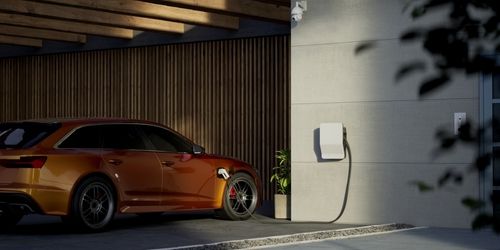
When EV Charging Goes Wrong: Guidance from a Car Accident Lawyer in New York
You plugged in your electric vehicle for what should have been a routine charging session, but instead experienced an electrical shock that left you injured and your property damaged. Electric vehicle charging station accidents are becoming more common as these stations proliferate across New York, and many victims don’t realize they have legal rights when another party’s negligence causes harm. Whether you suffered burns from a faulty charging cable, property damage from an electrical malfunction, or injuries due to poor station maintenance, understanding your legal options helps protect your health and financial future. These incidents often involve complex liability questions spanning multiple areas of law, making it crucial to know where you stand legally.
???? Pro Tip: Document everything immediately after a charging station incident – take photos of the station, your vehicle, any injuries, and keep all medical records, as this evidence becomes critical for proving your case.
Don’t let an unfortunate encounter with an electric vehicle charging station throw you for a loop. Get the legal support you need to secure your future and safeguard your rights. Call Napoli Shkolnik hoy a las (844) 234-5481 o Contáctenos online, and let us help you tackle the complexities of your case with confidence.

Understanding Your Legal Foundation After EV Charging Station Injuries
Electrocution injuries from electric vehicle charging stations may give rise to personal injury claims if another party’s actions or inactions caused or contributed to the harm. These claims commonly rely on legal theories, including ordinary negligence, premises liability, and product liability. When working with a car accident lawyer in New York, you’ll discover that many electrocution claims rely on the concept of negligence, which typically requires proving that the defendant owed a duty of care, breached that duty by failing to act as a reasonably prudent person or entity would under similar circumstances, and directly caused your injury. Whether your actions influenced the incident can also arise under doctrines such as contributory or comparative negligence, which may reduce recovery depending on New York’s specific laws.
???? Pro Tip: New York follows a pure comparative negligence rule, meaning even if you’re partially at fault, you can still recover damages reduced by your percentage of fault.
Critical Steps and Deadlines After Your EV Charging Station Accident
Time works against injury victims in New York, making swift action essential for protecting your legal rights. A car accident lawyer in New York will emphasize that personal injury and property damage tort notices of claim must be served appropriately within 90 days from the date of occurrence under New York State General Municipal Law § 50-e when the incident involves city property or operations. This timeline becomes especially important in NYC, where many charging stations operate on public property or through city partnerships.
Immediate Response (Day 1): Seek medical attention, document the scene, and report the incident to the charging station operator and property owner
Documentation Phase (Days 1-7): Collect witness statements, preserve evidence, and begin compiling medical records and repair estimates
Legal Consultation (Days 7-30): Meet with qualified counsel to evaluate your case under negligence, premises liability, and products liability theories
Notice Requirements (Within 90 days): File required notices if government entities are involved, as New York City Administrative Code § 7-201 requires notice of claim submission to the Comptroller’s Office
Claim Development (Months 2-6): Investigation, expert consultations, and demand package preparation
Resolution Phase (Months 6-18): Settlement negotiations or litigation if necessary
???? Pro Tip: A notice of claim must be filed in writing, and all claim forms are available in PDF format through electronic filing or filing by personal delivery or mail – don’t miss this critical deadline.
Securing Compensation Through Strategic Legal Action with Napoli Shkolnik
Property owners and occupiers must maintain their premises in a safe condition for visitors, and if an electrical hazard at a charging station leads to an injury, the property owner may be liable under premises liability law. When you work with a car accident lawyer in New York, they’ll examine whether you were legally on the property and whether the owner should have known about electrical dangers. At Napoli Shkolnik, we understand that manufacturers of electric vehicle charging equipment can also face products liability claims if defective products cause electrical shock or fail to provide adequate protection, as a product can be defective in its design, manufacturing, or warnings and instructions. Our approach focuses on identifying all potentially liable parties and pursuing maximum recovery through comprehensive case development.
???? Pro Tip: Keep detailed records of all expenses related to your injury and property damage, including medical bills, vehicle repairs, and lost wages – these economic damages often form the largest portion of your recovery.
Navigating New York’s Electric Vehicle Legal Landscape
New York has established comprehensive regulations governing electric vehicle infrastructure that can impact your legal rights. Under New York Real Property Law Section 339-LL, an “electric vehicle charging station” means a station that delivers electricity from a source outside an electric vehicle into one or more electric cars, including several charge points simultaneously connecting several electric vehicles to the station and any related equipment needed to facilitate charging plug-in electric vehicles. This broad definition helps establish liability when any charging system component causes harm. When you consult a lawyer about charging station injuries, understanding these definitions becomes crucial for identifying all responsible parties.
Condominium and Property Owner Responsibilities
Section 339-LL makes void any covenant, restriction, or condition in deeds, contracts, or other instruments affecting condominium transfers that prohibit or unreasonably restrict the installation or use of electric vehicle charging stations. However, condominium associations may put reasonable restrictions on EV chargers, dwhich are efined as restrictions that do not significantly increase the cost of the station or significantly decrease its efficiency or specified performance. This legal framework creates duties for property owners that, when breached, can support premises liability claims for injured charging station users.
???? Pro Tip: If your accident occurred at a condominium or multi-unit dwelling, investigate whether proper approvals and safety measures were followed during installation – violations can strengthen your liability case.
Understanding Electrocution Injury Claims in New York
When pursuing Electrocution Injury Claims, New York law recognizes that these incidents can cause devastating physical and financial consequences requiring comprehensive legal remedies. A car accident lawyer in New York will evaluate your case under multiple legal theories simultaneously, as ordinary negligence claims focus on whether the charging station operator failed to maintain safe conditions. In contrast, products liability claims target manufacturers who may have produced defective equipment. Lightning strikes represent another form of electrical injury, but charging station incidents typically involve human negligence or mechanical failure that creates stronger grounds for recovery than natural phenomena.
Economic and Non-Economic Damages Available
New York law allows recovery of economic damages like medical expenses, lost wages, and property damage, as well as non-economic damages, including pain and suffering, emotional distress, and loss of enjoyment of life. Electric vehicle charging station accidents often result in serious burns, neurological damage, or cardiac complications that can require extensive medical treatment and rehabilitation. The severity of electrical injuries means that failing to address these hazards can result in liability for any injuries, making thorough investigation and documentation essential for maximum recovery.
???? Pro Tip: Electrical injuries can have delayed-onset symptoms affecting your nervous system. Ensure you receive a comprehensive medical evaluation even if you initially feel fine after an incident.
Preguntas frecuentes
Common Legal Concerns About EV Charging Station Accidents
Victims often worry about proving fault in electrical incidents, especially when multiple parties might be responsible. Understanding your rights helps you make informed decisions about pursuing compensation.
???? Pro Tip: Bring a detailed timeline of events and all relevant documentation to your legal consultation – this preparation helps attorneys quickly assess your case strength.
Next Steps After an Electric Vehicle Charging Injury
The legal process can seem overwhelming, but experienced attorneys guide clients through each phase while handling complex investigations and negotiations with insurance companies and corporate defendants.
???? Pro Tip: Don’t accept quick settlement offers from charging station operators or property owners without consulting counsel – initial offers rarely reflect the full value of electrical injury cases.
1. Who can be held liable for electric vehicle charging station accidents in New York?
Multiple parties may bear responsibility, including the charging station manufacturer, installation company, property owner, maintenance provider, and utility company. A car accident lawyer in New York will investigate all potential defendants to ensure you receive maximum compensation from all responsible parties.
2. What types of compensation are available for EV charging station injuries?
You may recover medical expenses, lost wages, property damage, pain and suffering, and future medical costs. Punitive damages might also be available to punish wrongdoers and deter similar conduct in cases involving gross negligence or defective products.
3. How long do I have to file a lawsuit after an electric vehicle charging accident?
New York’s statute of limitations for personal injury claims is generally three years, but notice requirements for government entities must be met within 90 days. Acting quickly preserves evidence and ensures compliance with all legal deadlines.
4. Do I need to prove the charging station was defective to win my case?
Not necessarily. You can succeed under negligence theory by proving the defendant failed to maintain safe conditions, under premises liability by showing the property owner knew or should have known of hazards, or under products liability if equipment was defective.
5. What should I do immediately after being injured at an EV charging station?
Seek medical attention, document the scene with photos, report the incident to authorities and the station operator, collect witness information, and contact an attorney experienced in electrical injury cases as soon as possible to protect your rights.
Work with a Trusted Auto Accidents Lawyer
Electric vehicle charging station accidents present unique legal challenges requiring thorough investigation and understanding of evolving technology standards. The New York City Comptroller’s Office is responsible for overseeing the resolution and settlement of claims filed against or on behalf of the City of New York. After a claim is received, the Comptroller’s Office will investigate the claim and may extend an offer to settle based on investigation results. Working with experienced counsel ensures proper handling of complex notice requirements, thorough investigation of all liable parties, and aggressive pursuit of full compensation for your injuries and losses.
Don’t let the shocking experience of an EV charging mishap put you in a bind. Reach out to Napoli Shkolnik to explore your options and ensure your rights are protected. Call us today at (844) 234-5481 o Contáctenos for personalized legal support.