
 (844) 230-7676
 Idioma

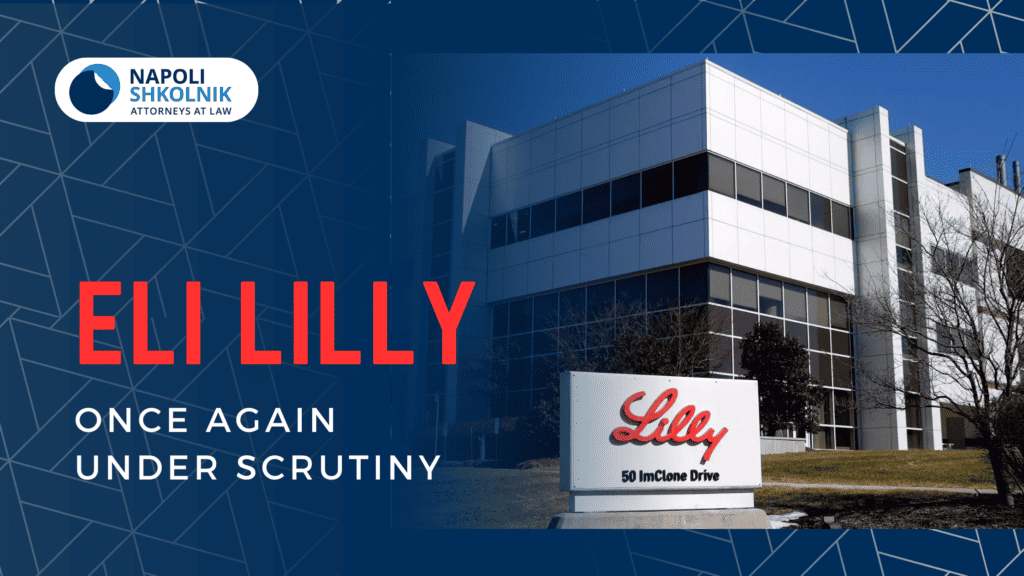
Poor quality control practices and malfunctioning equipment were among the eight separate violations that government inspectors recently found at an Eli Lilly tirzepatide manufacturing facility in New Jersey.
The U.S. Food and Drug Administration inspection in July at Lilly’s Branchburg, New Jersey, plant detected eight separate deficiencies. The inspection report showed problems in tracking manufacturing process and quality controls, as well as lapses in its calibration of equipment and failure to properly maintain facilities and equipment.
The drug was approved for weight loss under the brand name Zepbound in the U.S. late last year. Lilly said in a statement that tirzepatide, the active ingredient in Mounjaro and Zepbound, was not manufactured at the Branchburg plant.
Company officials admitted that FDA inspectors made “some observations that were, in most cases, either addressed during the inspection or already in progress as program improvements.” However, “this situation does not affect the quality, safety or supply of any current or planned Lilly products in the marketplace,” the company insisted.
At least one observer disagreed. “It’s like whack-a-mole at this plant. The company seems to address one set of problems, only for other serious concerns to keep popping up,” said Steven Lynn, a former head of the FDA’s Office of Manufacturing and Product Quality.
Eli Lilly Issues
In 1999, Eli Lilly launched an aggressive Viva Zyprexa campaign to promote its powerful new antipsychotic drug. The campaign was commercially successful, as Zyprexa (olanzapine) sales soon eclipsed $20 billion.
But, according to federal and state authorities, the campaign had a dark side. The company allegedly failed to disclose the risk of serious side effects, such as dementia. The company also didn’t tell customers that 16 percent of clinical trial participants gained a staggering sixty pounds each.
In the early 2000s, the company paid nearly $1 billion to settle some 20,000 civil lawsuits. But that sum was just the beginning.
First, the attorney generals of Vermont and Illinois issued civil investigative demands that ordered the company to hand over internal documents relating to the marketing of olanzapine. The states investigated claims that the company concealed data that show serious risk of side effects including weight gain, hyperglycemia, and diabetes.
Then, federal investigators launched a probe into Eli Lilly’s illegal off-label Zyprexa promotion. Doctors may prescribe drugs for any purpose. However, drug companies may not market drugs for unapproved purposes or otherwise promote such use.
The hits continued as both Florida and California sought to recover money spent on olanzapine by their Medicaid programs.
In the end, the company paid a $1.4 billion fine. “Off-label promotion of pharmaceutical drugs is a serious crime because it undermines the FDA’s role in protecting the American public by determining that a drug is safe and effective for a particular use before it is marketed,” said Assistant Attorney General for the Civil Division Gregory G. Katsas.
Defective Drugs
None of the $1.4 billion went to Zyprexa victims. Only the money in a acción civil compensates victims.
It’s hard to estimate the medical and psychological impact a defective drug like Zyprexa has on a victim.
Medically, victims usually end up in worse physical shape than they were in before. Even if they escape serious injury at the time, doctors must closely monitor their health for the rest of their lives. This close monitoring isn’t free.
Most victims feel deeply betrayed when a drug that they were told was safe and effective is revealed to be unsafe and ineffective.
The Zyprexa imbroglio clearly illustrates both kinds of damage. This saga, when including the latest allegations, also reflects two kinds of defective drug legal actions:
- Defecto de diseño: Pharmaceutical companies are in an ongoing arms race. They each want to make the most powerful medicines. Powerful drugs have powerful side-effects, as illustrated above.
- Defecto de manufactura: Frequently, manufacturing facilities in different states, and maybe even different countries, make separate components. All these components don’t always work together the way they should. Furthermore, a seemingly minor isolated issue at one facility can corrupt the entire batch.
Generally, designated multi-district litigation courts handle defective drug cases. The thousands of cases are consolidated into a single court, at least during the pretrial process.
Large cases usually mean large settlement figures. However, the victims usually don’t divide settlement money equally.
Tier One plaintiffs who took the bull by the horns and filed claims early usually received most of the money as they filed at a time when the outcome was uncertain.
Tier Two plaintiffs, who jumped on the bandwagon when a favorable settlement seemed likely, receive less money. Tier Three plaintiffs, who took no action, divide any leftovers.
Victims who were injured by defective drugs should take legal action as quickly as possible. For a consulta gratis with an experienced attorney, contact Napoli Shkolnik today.